
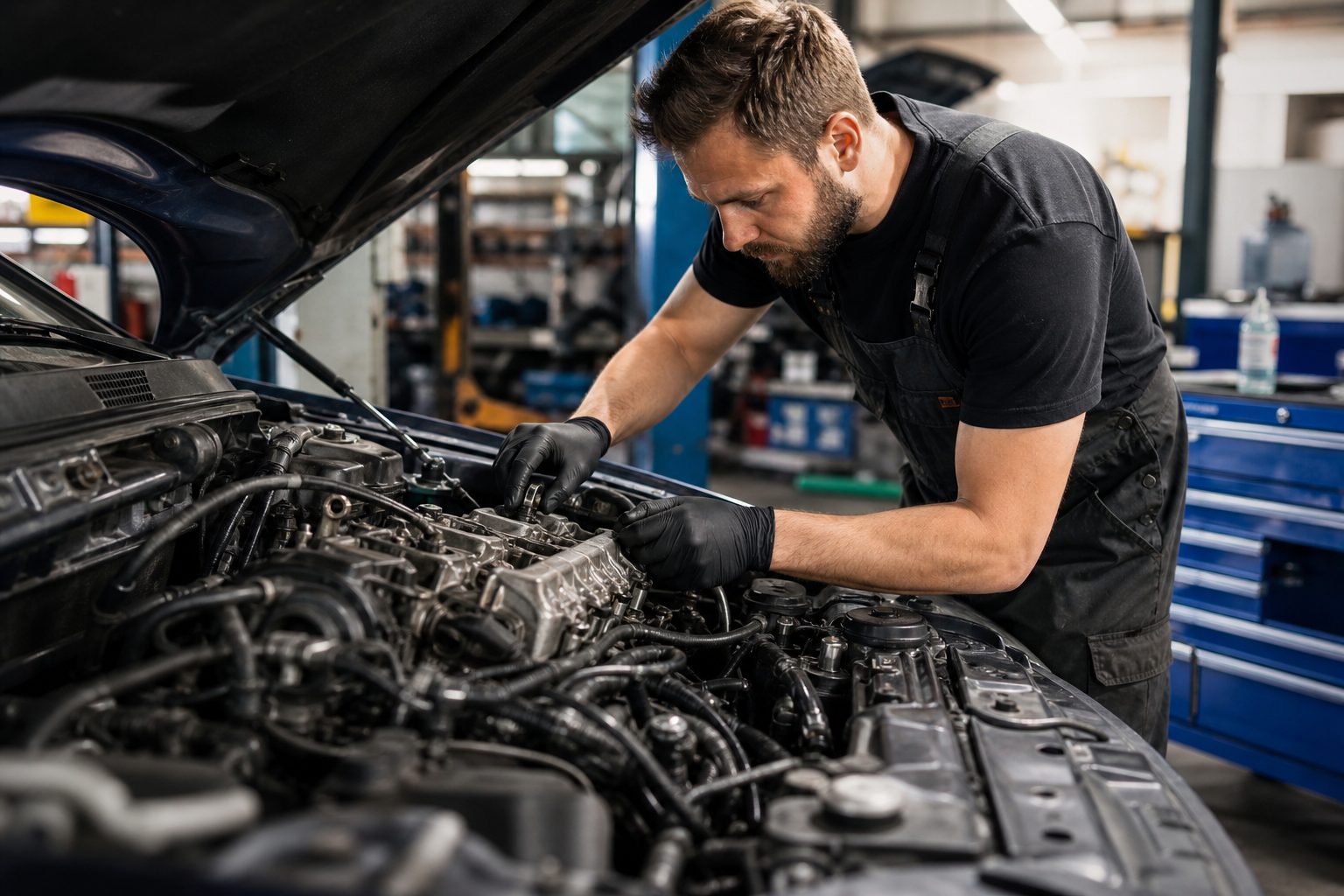
Engine Repair in Atlanta, Done Right the First Time
Your check engine light comes on and the engine starts running rough. The first question most drivers ask isn't "what's wrong", it's "how bad is this going to be?"
The honest answer: you don't know until someone actually diagnoses it. That's the step a lot of shops skip, quoting a repair before confirming the cause. We start every engine job with a full auto diagnostic inspection, so you know exactly what's wrong before you approve a dime of work.
What Engine Repair Actually Covers
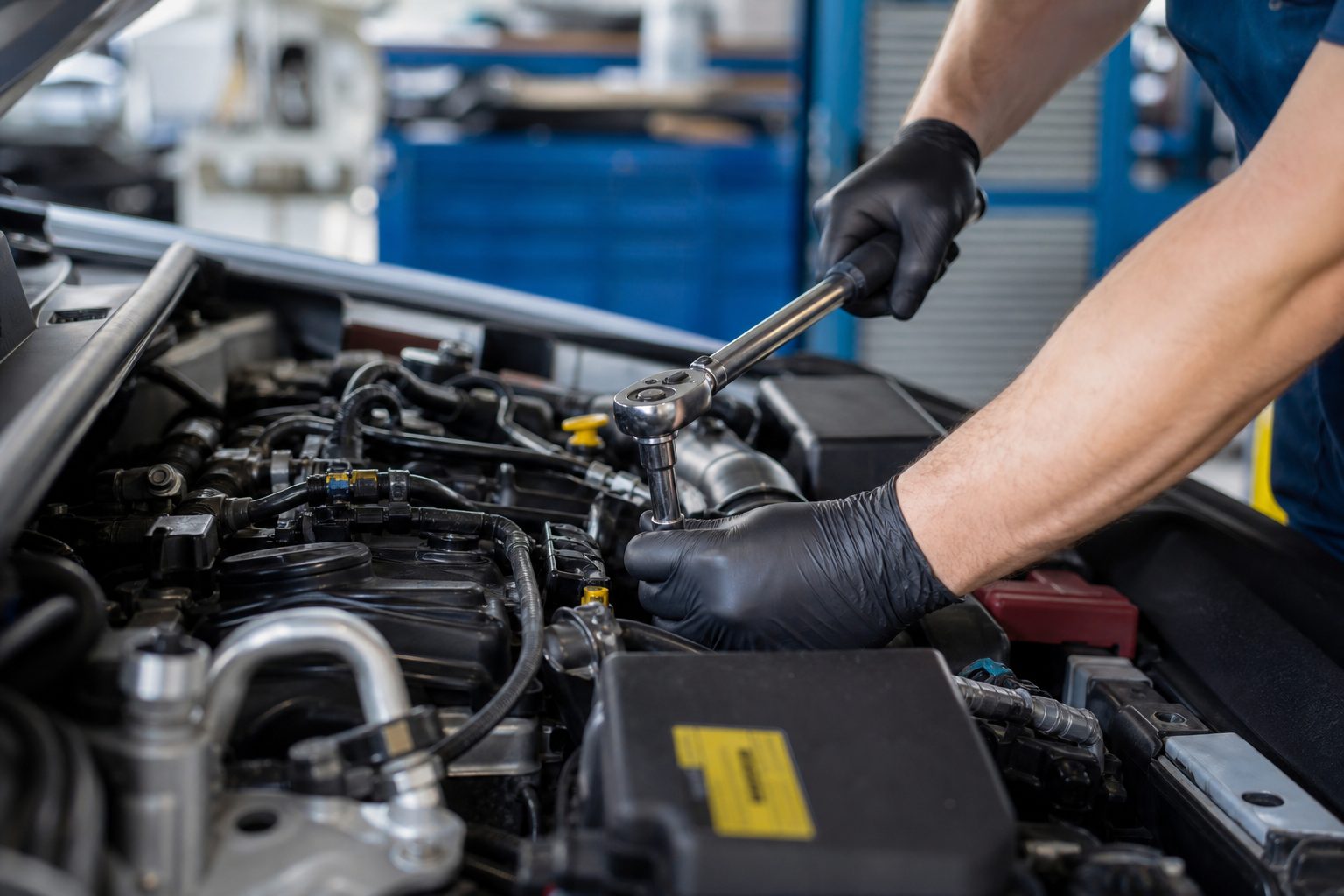
"Engine repair" isn't one job, it's a category that runs from a leaking valve cover gasket to a full rebuild. We diagnose first, before a part is ordered or a dollar is quoted. A full scan plus hands-on testing means the quote you get reflects the real job, not a guess.
We work on European, domestic, and Asian vehicles. That includes European makes like BMW, Mercedes, Audi, Volvo, and Bentley, as well as domestic platforms like Dodge, Cadillac, and Lincoln, and Asian models including Subaru, Kia, Lexus, and Scion. If an oil leak is part of the picture, that gets folded into the diagnosis at the same time, not flagged as a separate estimate after the fact.
A full engine repair inspection covers all of the following:
Diagnosis
What is failing
Severity
How far the failure has progressed
Condition
Whether surrounding components are still sound
Platforms
European, domestic, and Asian vehicle coverage
Tolerances
Platform-specific procedures for tight-tolerance European engines like the BMW N54 or Audi EA888
Leaks
Oil leak diagnosis folded into the same inspection
What's Included in Our Car Engine Repair Service
Before we tell you what's wrong with your engine, we run it through a specific sequence of tests. Each one answers a different question, and together they tell the whole story. Here's exactly what that looks like.
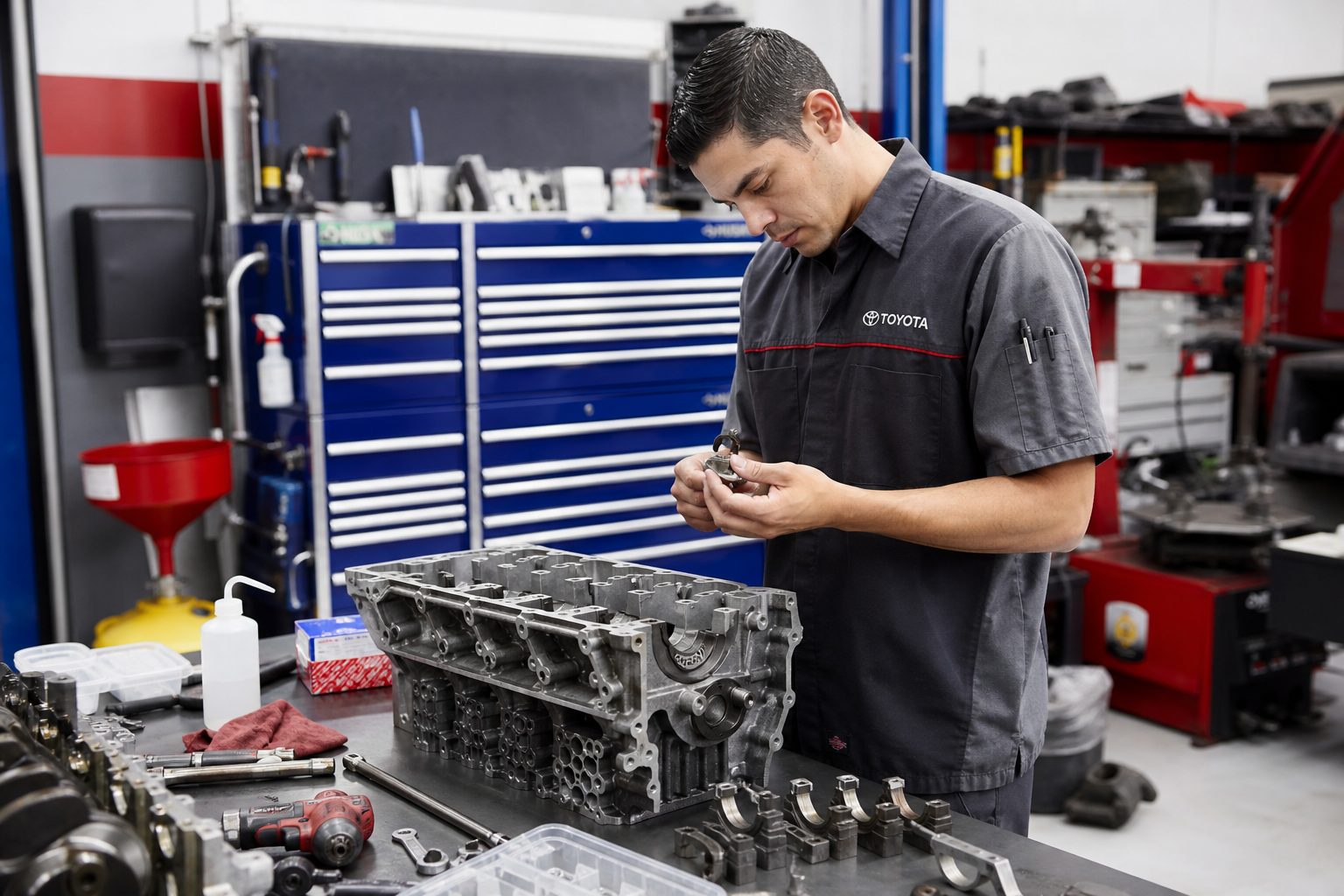
Diagnostic Scan and Live Data Review
We pull fault codes and review live sensor data through our car diagnostic service to see what the engine's computer is actually reporting, not just what triggered the check engine light. A warning light tells you something is wrong. Live data tells you why.
Compression and Leak-Down Testing
A compression test measures how well each cylinder seals during the power stroke. A leak- down test goes further, it pressurizes each cylinder and identifies exactly where pressure is escaping: worn piston rings, leaking valves, or a failing head gasket. This is how we separate a targeted repair from an engine rebuild recommendation.
Cooling System Inspection
We check coolant condition, thermostat function, and hose integrity. Drivers running municipal water in their cooling systems can accumulate mineral scale in radiator passages over time; our coolant services address that directly before it restricts flow.
Oil System and Seal Assessment
We inspect valve cover gaskets, rear main seals, and oil pan gaskets for external leaks, then check the oil itself for coolant intrusion or metal particle contamination. Both are serious. Our oil leak repair process starts here, not at a parts counter.
Repair or Rebuild Recommendation
After testing, you get a plain-English summary: what failed, what it costs to fix, and whether a targeted repair or a full engine rebuild makes financial sense for your specific vehicle and mileage.
Post-Repair Road Test and Verification
We road test the vehicle and run a final scan to confirm fault codes are cleared and all operating parameters are within spec. Your car doesn't leave until the numbers say it's right.
How the Engine Repair Process Works
Every engine repair follows the same four steps, in the same order, every time.
Step 1: Schedule and Drop Off
Call us or schedule online, then bring the vehicle to the shop nearest you. When you drop off, tell us exactly what you're noticing: a rough idle, a warning light, a knock at highway speed, loss of power on hills. The more specific you are, the faster we can isolate the problem.
Step 2: Full Diagnostic Before Any Parts Are Ordered
Nothing gets ordered and no labor gets quoted until we know what's actually wrong. We run a full engine diagnostic scan and back it up with hands-on testing: compression test, leak-down test, visual inspection of seals and gaskets. We call you with findings before any work begins.
Step 3: Targeted Repair Using the Right Parts for Your Vehicle
We repair what the diagnosis confirmed, nothing more. That might be a head gasket, a timing component, a valve train issue, or an oil seal that's been weeping for months. Parts are matched to your vehicle's make, model, and manufacturer specifications, not whatever fits generically.
Step 4: Road Test and Final Verification
After the repair, the vehicle gets a road test and a final scan. We check live engine data against factory operating parameters. Keys don't come back to you until the numbers confirm the engine is running correctly.
Signs Your Engine Needs Repair in Atlanta
Most engine problems give you warning before they get expensive. The trouble is drivers often shrug off the early signals until a manageable repair turns into a major one. Here is what to watch for, and what each symptom actually means under the hood.
Check Engine Light Stays On
A stored fault code that survives a restart is not always a loose gas cap. It can point to a misfiring cylinder, a failing emissions component, or a sensor masking a deeper engine fault. Auto diagnostics will tell you which one before you guess wrong and pay twice.
Blue or White Exhaust Smoke
Blue smoke means the engine is burning oil. Sweet-smelling white smoke means coolant is entering the combustion chamber, usually through a failed head gasket or cracked block. Both point to internal seal failure and neither clears up on its own. If you see white smoke, our coolant services page covers what a cooling system inspection involves.
Engine Knocks or Ticks at Idle
A rhythmic knock that changes with engine speed typically points to worn rod bearings or low oil pressure. A tick that clears after the engine warms up often indicates valve train wear. Neither sound is cosmetic.
Oil Consumption Is Higher Than Normal
Adding a quart or more between changes without any visible puddle under the car means the engine is burning oil internally through worn piston rings or valve seals. That is a different problem than an external leak, and it needs a different fix. See our oil leak repair page for how we separate the two.
The Car Loses Power Under Load
Power loss while merging or climbing a grade can indicate compression loss, a clogged fuel injector, or a failing turbocharger on European models. The symptom feels like the car simply runs out of effort. It will not improve with time.
The Engine Overheats Repeatedly
One overheating event can warp a cylinder head. Repeated overheating without an obvious cooling system fault often means the head gasket is already compromised and combustion gases are entering the coolant.
Why Engines Take a Harder Hit Than You'd Think
Sustained heat and short, stop-and-go drives mean engines rarely complete a full cool-down cycle. Staying ahead of it with solid preventative maintenance is the single best thing a driver can do.
Sustained Heat and Stop-and-Go Traffic
In sustained stop-and-go traffic, low speeds reduce airflow across the radiator, and you get a sustained thermal load that breaks down engine oil faster and stresses head gasket seals harder than the standard maintenance schedule accounts for.
Rough Roads and Engine Mounts
Uneven road surfaces and potholes jar engine mounts repeatedly over time. Worn mounts let the engine shift under load, which puts stress on the exhaust manifold and accessory brackets. We see exhaust system damage that traces directly back to mount wear, not the exhaust components themselves.
Scale and Seal Wear
Tap water used to top off the cooling system leaves scale deposits inside cooling passages and radiators over years of use. Heat and age also wear gasket surfaces and seals. Together, scale and seal wear mean engine problems can show up earlier than the odometer suggests, which is why we look at both during an inspection.
What This Means for Your Engine
The combination of sustained heat, stop-and-go traffic, and tap-water scale means gaskets, seals, and bearings can wear faster than expected. Thermal load breaks down oil faster than the standard interval assumes, scale narrows radiator passages, and pothole vibration accelerates mount and hose wear. That is why we inspect cooling systems, oil condition, and seal health together during every engine evaluation. Catching coolant services or oil leak repair needs early keeps a small repair from becoming a full rebuild.
Why Atlanta Drivers Choose Blue Ridge for Engine Repair
Transparent Diagnosis Before Any Work Begins
Before a single part is ordered, we tell you exactly what the diagnostic found, what the repair will cost, and what happens to your engine if you skip it. You get the full picture upfront. That includes the codes we pulled, the live data or compression readings that confirmed them, and whether the fix is a seal, a sensor, or something deeper. If the honest answer is that a repair is not worth the value of the car, we tell you that too. Nothing is added to the order without your approval, and the estimate you approve is the number you see at pickup.
European, Domestic, and Asian Engine Experience
Our technicians know the platform, not just the generic procedure. That distinction matters most when tolerances are tight. A Volvo's timing system is not serviced the same way as a Dodge's, and a Subaru's boxer engine has failure patterns specific to its design. We handle all three. Our European auto repair work draws on the same platform-specific knowledge as our domestic and Asian engine repair. Visit any of our four shops and bring whatever you drive. We pull manufacturer specs and torque sequences for the job in front of us rather than working from a generic procedure.
Attentive Service That Customers Actually Notice
Customers call out our advisors in their reviews because the same person who took your drop-off call is the one explaining the findings. That consistency shows up in the numbers: 4.9 stars across 1,000+ reviews. For drivers who want a trusted engine repair shop, that track record speaks plainly. Most repairs are backed by our 24-month, 24,000-mile nationwide warranty on parts and labor, so the repair is protected whether you stay local or move across the country, and it is honored at participating shops nationwide.








Vehicle Brands We Service
From Asian reliability to American work-ready performance, our ASE-certified technicians service every major make. Pick your brand to see model-specific repair details.






























Our Car Repair Shop Locations
We handle engine repair for drivers across Metro Atlanta, not just inside the city limits. Buckhead, Chamblee, Decatur or Marietta, whichever shop is closest, getting your engine looked at is straightforward.
Schedule Your Engine Repair in Atlanta
If your engine is running rough, burning oil, or throwing a code you can't clear, bring it in. We'll run a full auto diagnostic and tell you exactly what's wrong before we touch anything. No guesswork. Ready to get your engine looked at? Drop it off at the shop nearest you and we'll start with a straight diagnosis. Call us today at (404) 266-1699.
Learn More Before Your Visit
Want to understand the problem before you come in? Our technicians cover the most common questions in Signs Your Fuel Injectors Are Dirty and What Chamblee Drivers Should Do About It, Timing Chain vs. Timing Belt: What Every Chamblee Driver Should Know, and Turbocharger Maintenance and Troubleshooting Guide for Modern Vehicles.
Still have questions? Our auto repair FAQ answers the questions we hear most, and our service areas page shows every neighborhood our four shops serve.
Frequently Asked Questions