
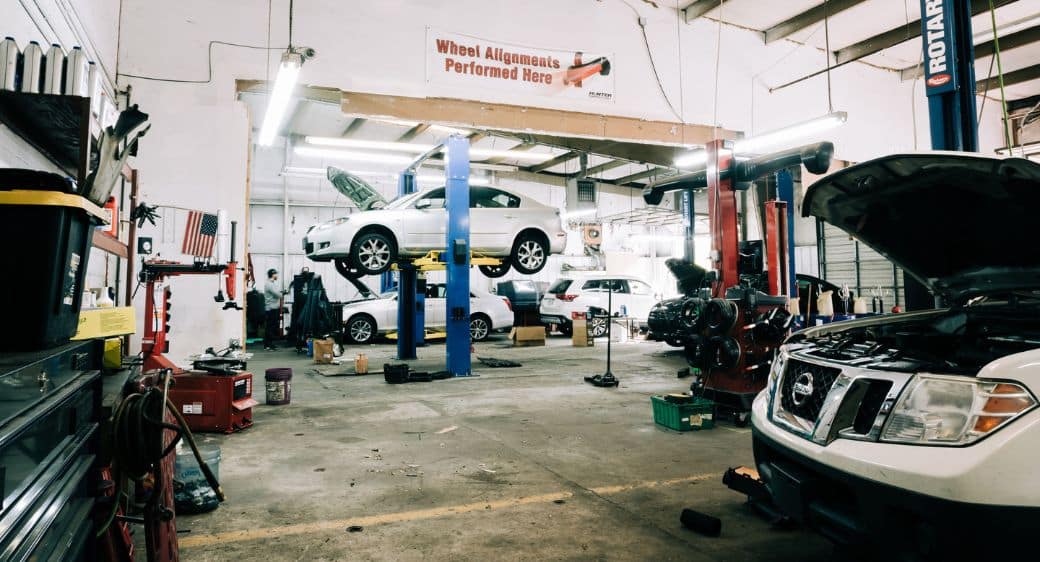
Dealership-Level Work Without the Dealership Estimate
You get a repair estimate from a Toyota dealership, blink at the number, and wonder if there's a better option. There is. Blue Ridge Automotive - European & Domestic provides full-service asian auto repair in Atlanta without the dealership markup, and our ASE-certified technicians work on the full range of Japanese and Korean vehicles every day.
We service Toyota, Honda, Lexus, Acura, Nissan, Infiniti, Kia, Hyundai, Genesis, Subaru, Scion, and Mitsubishi. That's the full lineup of Asian makes our regulars bring in week after week.
Drivers logging daily miles put real wear on these vehicles fast. Timing belts, transmission fluid, coolant intervals, they all come due sooner than most people expect. With 1,000+ reviews and a 4.9-star rating, our track record for japanese auto repair in Atlanta speaks for itself.








What Asian Auto Repair Actually Covers
“Asian auto repair” means vehicles built by Japanese and Korean automakers: Toyota, Honda, Lexus, Acura, Subaru, Mitsubishi, Nissan, Infiniti, Mazda, Kia, Hyundai, and Genesis. That is the full answer. Korean brands are not a separate category. They belong here, and we service them the same way we service the Japanese lineup.
The reason a general shop sometimes struggles with these vehicles is not attitude. It is engineering. Many Japanese platforms use interference engine designs, meaning the valves and pistons occupy the same space at different points in the cycle. If the timing belt snaps, the engine does not just stall. It destroys itself internally. Nissan and Subaru models commonly pair that design with a CVT, a continuously variable transmission that behaves nothing like a conventional automatic and requires fluid and calibration procedures specific to that platform. A generic OBD-II scan reads fault codes. It does not tell a technician whether a Subaru CVT is slipping due to fluid degradation or a solenoid failure. That distinction matters when you are deciding between a fluid service and a transmission replacement.
Daily commuters accumulate mileage fast. Those timing belt windows and transmission fluid intervals are not suggestions. For high-mileage vehicles, staying current on scheduled maintenance is what separates a $180 service from a $4,000 repair.
Coverage Runs the Full Range. No Referrals Out.
What's Included in Our Asian Auto Repair Service
Here is what we actually work on, and why each item matters for the Japanese and Korean vehicles we see most often across Decatur, Marietta, and the surrounding metro.
Make-Specific Diagnostics
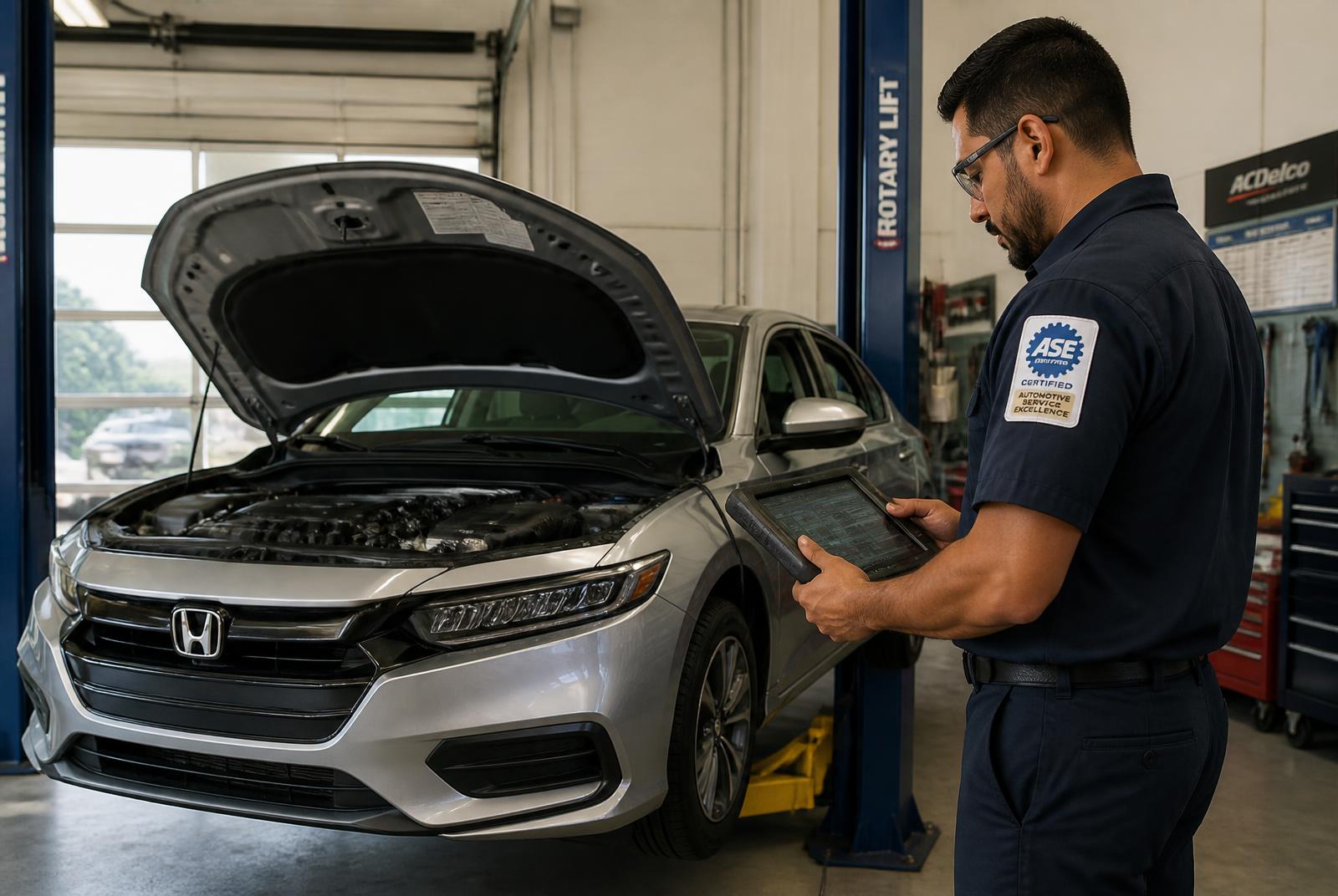
Generic OBD-II scanners miss manufacturer-level fault codes. We use OEM-compatible scan tools that read Toyota, Honda, Nissan, Kia, Hyundai, and Subaru platforms the same way a dealer would. That matters for anything from transmission slip codes to hybrid battery warnings. Electrical faults especially benefit from this approach, and our electrical repair work starts with a full manufacturer-level scan, not a guess.
Brake Inspection and Repair
Brakes take constant load in daily driving. We handle pad replacement, rotor replacement, and caliper work across the full Japanese and Korean lineup, including Hondas and Toyotas with electric parking brake systems that require a scan tool to retract the caliper. See the full scope of what we cover on our brake repair page.
Engine and Timing Service
Timing belt replacement on Honda four-cylinders, Subaru engines, and older Toyota platforms is a time-sensitive job. So is timing chain tensioner service on Nissan VQ engines and Kia/Hyundai Theta II engines. Skip either one and a $400 job becomes an engine repair conversation nobody wants to have.
Transmission Diagnostics and Replacement
CVT transmissions in Nissan Altimas, Subaru Outbacks, and many Kia models use different fluid and different service intervals than a conventional automatic. We diagnose CVT behavior, service the fluid on schedule, and replace units when the internal damage is past the point of repair.
Cooling System and Coolant Service
Asian manufacturers specify distinct coolant formulations. Toyota SLLC, Honda Type 2, and Nissan blue coolant are not interchangeable. Using the wrong one accelerates corrosion in aluminum heads and radiators, which Atlanta's slightly acidic municipal water supply does not help. Our coolant services use the correct formulation for your specific vehicle.
Exhaust and Emissions Inspection
Georgia's emissions testing requirement turns a failing catalytic converter or oxygen sensor into a registration problem, not just a repair. A Hyundai or Acura that fails the test cannot be registered until the underlying fault is fixed and the system has completed its readiness monitors. Our exhaust system repair work includes verifying monitor completion before you leave.
How the Repair Process Works at Blue Ridge
Most drivers want one thing: to know what's wrong, what it costs, and when they get their car back. Here's exactly what happens from the moment you call to the moment you drive away.
Schedule Your Appointment
Call us or book online.
Same-day and next-day appointments are often open, which counts for a lot when your car is how you get to work every morning.
Vehicle Inspection and Diagnostics
A technician inspects the vehicle and runs brand-calibrated diagnostics on your specific make. Warning lights tell you something is wrong. The diagnostic scan tells you what. These are not the same thing.
For high-mileage commuters putting miles on daily, we also flag items like cooling system condition and brake wear that may not have triggered a light yet.
Review What We Found
We walk you through the findings before anything is touched. You see what we found and why it matters.
Nothing is authorized until you say so.
Repairs Completed and Vehicle Returned
Approved work is completed, the vehicle is road-tested, and you receive a written summary of everything performed.
Signs Your Asian Vehicle Needs Attention in Atlanta
Most warning signs show up well before a repair gets expensive. The trick is knowing which ones to act on now and which ones can wait for your next scheduled service. Here are six worth paying attention to, in plain terms.
Check Engine Light
A steady check engine light on your Camry or Accord most commonly points to an oxygen sensor failure, a loose gas cap, or a degrading catalytic converter. None of those kill drivability immediately, but all three hurt fuel economy before anything else breaks. A flashing light is different. That means stop driving and call us.
Transmission Slipping
If your Nissan hesitates between gears at speed, or the RPMs climb without the car actually accelerating, that is a CVT or automatic transmission showing early damage. CVTs in particular do not recover on their own. The longer you drive it that way, the more the repair scope grows. Our Nissan service team sees this pattern regularly on high-mileage commuters.
Engine Running Hotter Than Normal
Stop-and-go traffic pushes cooling systems hard. If your temperature gauge is creeping up or you see steam near the hood, pull over. A failing head gasket costs several times more than a coolant system service caught early.
Brake Pedal Feels Soft
A spongy pedal, or a car that pulls left or right under braking, does not self-correct. Brake components take constant load in daily driving. Get it checked before it becomes a safety issue. See our brake repair page for what that service covers.
Oil Spots Under the Car
A quarter-sized oil spot in a Decatur or Virginia-Highland parking space means a seal or gasket is failing. The damage from low oil pressure shows up in components that look completely unrelated to the original leak. Our oil leak repair service traces the source before it gets there.
Exhaust Smell or Smoke
A sulfur smell from a Toyota or Honda exhaust points to a failing catalytic converter. Blue smoke from the tailpipe means the engine is burning oil. Either one needs a shop visit soon. Waiting makes both repairs larger and more expensive.
What Wears Out Fastest on Asian Vehicles
Rubber seals, gaskets, and battery terminals wear out over time, and the wear is easy to miss until something fails. A regular inspection catches it early. From there you get an honest quote and nothing moves forward until you approve it.
Brake and Steering Wear
Commuter cars work their brakes and CV axles constantly. That sustained load accelerates rotor wear, CV boot cracking, and stress on steering components.
Our brake repair service addresses this pattern regularly, and it shows up earlier in high-mileage commuter cars than most drivers expect.
Undercarriage and Suspension Wear
Dirt and road grime stick to brake hardware and suspension bushings, hold moisture against metal surfaces, and wear away protective coatings over time.
Drivers who park on unpaved surfaces speed up that wear cycle. A thorough inspection catches this before it becomes a steering and suspension repair bill that surprises you.
Coolant and Aluminum Engines
Many Honda and Toyota platforms use all-aluminum engine and cooling system components, which makes coolant condition important.
Over time, worn-out coolant can accelerate corrosion inside the cooling circuit. Staying current on coolant service is the straightforward fix, but it only works if someone checks the fluid's pH and inhibitor level, not just the level in the reservoir.
What Atlanta Drivers Say About Blue Ridge Automotive
Why Atlanta Drivers Bring Their Asian Vehicles to Blue Ridge Automotive
Atlanta drivers have figured out the same thing: dealership sticker shock and chain-shop guesswork are both avoidable. People keep coming back for a simple reason. You get told exactly what's wrong, what it costs, and what we're doing about it, before we touch the car.
Attentive, Transparent Service
Reviewers keep using the same words: attentive, transparent, quick, prompt, kind. A 4.9-star average across 1,000+ reviews is not an accident.
Our service advisors treat a repair conversation like a conversation, not a transaction. You get plain answers, not a sales pitch.
Manufacturer-Specific Diagnostic Equipment and OEM Parts
We run manufacturer-level scan tools that read every module, engine, transmission, ABS, and airbag, and we source parts built to factory specifications.
A mismatched sensor here can trigger a cascade of faults, so we match every part to your exact vehicle.
Upfront Pricing Before Any Work Begins
You get a written estimate before a single bolt turns, and nothing unexpected lands on the invoice when you pick the car up. brake service to a full drivetrain repair.







Vehicle Brands We Service
From Asian reliability to American work-ready performance, our ASE-certified technicians service every major make. Pick your brand to see model-specific repair details.

















Our Car Repair Shop Locations
We provide automotive repair across the Atlanta area. Our Buckhead location is at 3190 Roswell Rd NW, Atlanta, GA 30305.
Ready to Book Your Asian Vehicle Service in Atlanta?
Your Toyota, Honda, Nissan, Kia, or Subaru deserves a shop that actually knows the platform. Bring your vehicle to a team that works on these vehicles every day in Atlanta. Book your appointment at Blue Ridge Automotive and get the job done correctly.
Your vehicle knows the difference between a shop that guesses and one that knows. Schedule your service today or call us at (404) 266-1699.