

What Causes a Car to Overheat and How Decatur Drivers Should Safely Handle It
Sharing this:
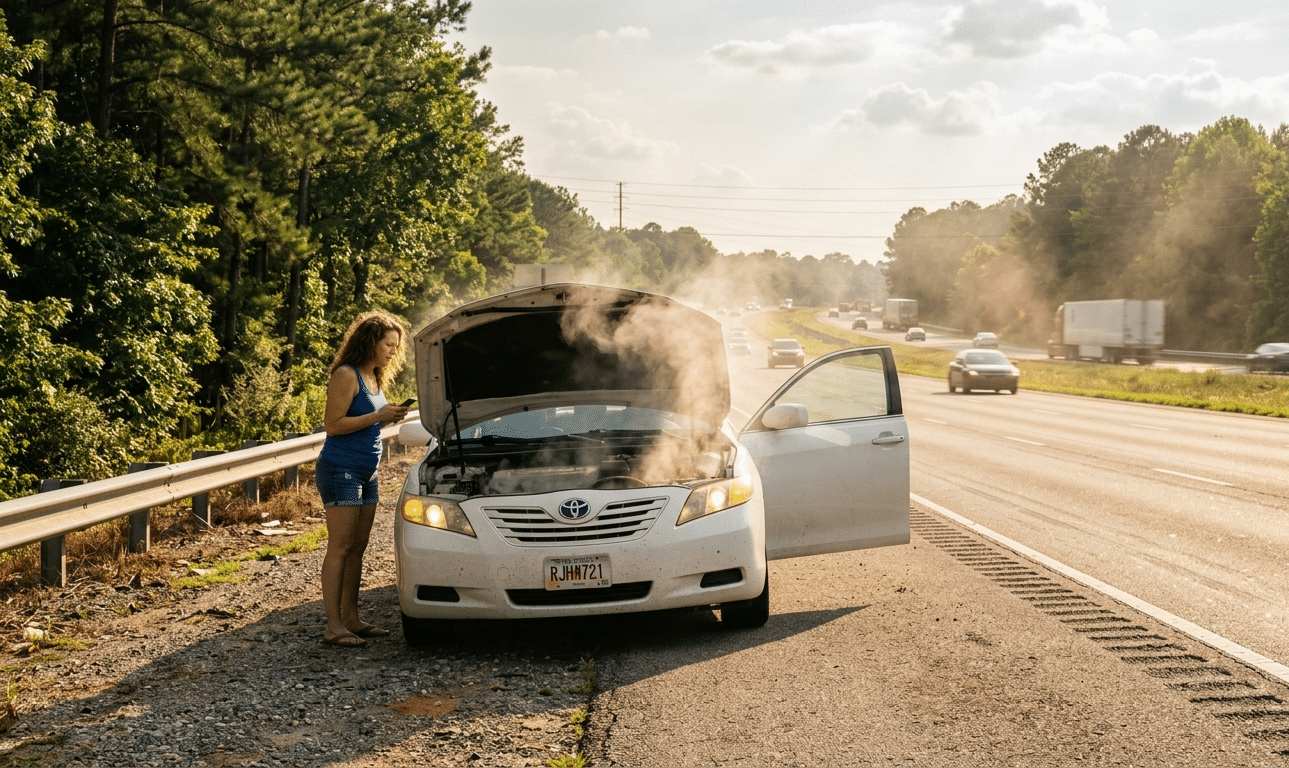
Most drivers assume an overheating engine means the radiator is shot. The actual answer is more complicated. Car overheating causes range from a five-dollar coolant cap to a failed water pump, and the difference between catching it early and catching it late is often the difference between a cheap repair and a rebuilt engine. Our team at Blue Ridge Automotive, European & Domestic has been diagnosing cooling system problems on European and domestic vehicles since 2021 from our shop in Chamblee, just inside the Metro Atlanta perimeter, and this guide walks through what's actually happening when your temperature gauge starts climbing.
Temperature gauge creeping up? Don't risk a cracked head. Call Chamblee at (770) 216-8474 to schedule a cooling system inspection today.
Key Takeaways
- The most common car overheating causes are low coolant, a stuck thermostat, a failing water pump, a clogged radiator, or a system leak.
- Aluminum engine components can warp at roughly 240°F, which is why you only have minutes to react once the gauge spikes.
- European vehicles (BMW, Audi, Mercedes, Volvo, VW) have specific weak points like plastic coolant housings and electric water pumps that fail predictably.
- Pulling over and shutting the engine off at the first sign of overheating is the single cheapest repair decision you can make.
What Engine Overheating Actually Means for Your Repair Bill
Most Atlanta drivers know the temperature gauge climbing toward the red is bad news. What they don't know is that the underlying cause determines whether they're looking at a $30 thermostat or a $4,500 engine rebuild. The gauge tells you something is wrong. It tells you nothing about what.
That gap matters because car overheating causes range from boringly cheap to catastrophically expensive, and the difference usually comes down to how long the engine ran hot before someone pulled over. A driver stuck in stop-and-go traffic on I-285 during an August heat wave can go from "running a little warm" to "permanent damage" in under five minutes.
Here's the threshold that actually matters: aluminum cylinder heads, which are in almost every modern engine, begin to warp at roughly 240 to 250°F coolant temperature. Past that, head gaskets fail, heads crack, and what could have been a cheap engine repair becomes a rebuild. That's not a scare tactic. It's metallurgy.
This guide walks through the real causes of engine overheating, what each one means for your engine, and what to do before the damage crosses that thermal line. Our team at Blue Ridge Automotive, European & Domestic has been diagnosing cooling system failures across the metro Atlanta area since 2021, from our shop in Chamblee just off Peachtree Road, and the same handful of failures show up over and over again.
Why Your Engine Temperature Gauge Should Never Be Ignored
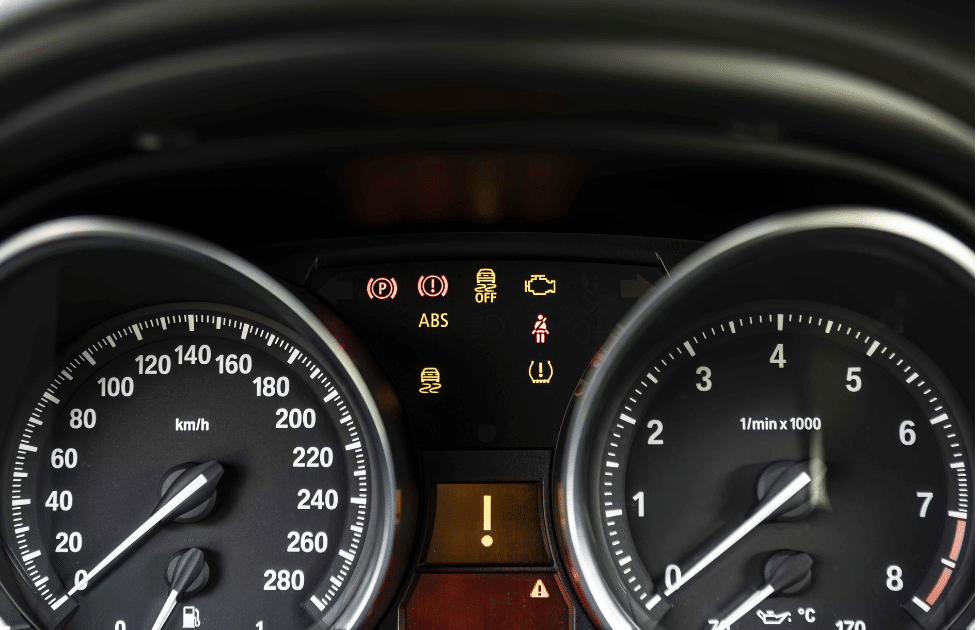
The temperature gauge is the single most ignored instrument on your dashboard. Most drivers glance at it, see the needle somewhere in the middle, and move on. That's fine, until the day it isn't.
The gauge is actually a real-time report on whether your engine is about to suffer damage you cannot undo. In Metro Atlanta traffic, where stop-and-go heat loads stack up fast on I-285 and Buford Highway, that needle tells you more than most warning lights.
What Is a Normal Engine Temperature?
Most gasoline engines run between 195°F and 220°F, with the needle sitting at or just below the gauge midpoint. That's the range your thermostat, coolant, and electric cooling fans are designed to hold.
The electric fans on your radiator typically kick on around 200°F to 210°F. In Atlanta summer traffic, those fans are doing most of the cooling work because you don't have highway airflow pushing through the radiator. When a fan motor or relay fails, the temperature climbs fast, and one of the first engine overheating symptoms you'll see is the needle creeping past three-quarters while you're stopped at a light.
What Temperature Is Too Hot Before Permanent Damage Starts?
Sustained temperatures above roughly 240°F start warping aluminum cylinder heads. That's the threshold where cheap repair turns into expensive rebuild.
Nearly every vehicle built after 1995, including the BMW, Mercedes-Benz, Audi, and Honda models we see daily from Buckhead and Brookhaven customers, uses aluminum heads. Aluminum dumps heat well, but it also distorts under sustained overheating. A warped head means a blown head gasket, and on European vehicles the repair cost is significant.
The Narrow Window Between Warning and Wrecked Engine
Here's the part most drivers miss when asking why my car is overheating: the gap between "running hot" and "permanently damaged" is shorter than you think. Often ten miles. Sometimes less in heavy traffic.
The good news is a stuck thermostat or failed fan relay caught early is a same-day fix. The harder news is that ignoring the gauge through one exit on I-85 can turn that same problem into a teardown. If your needle is climbing, pull over. That's the honest call.
The 7 Most Common Car Overheating Causes (In Order of Frequency)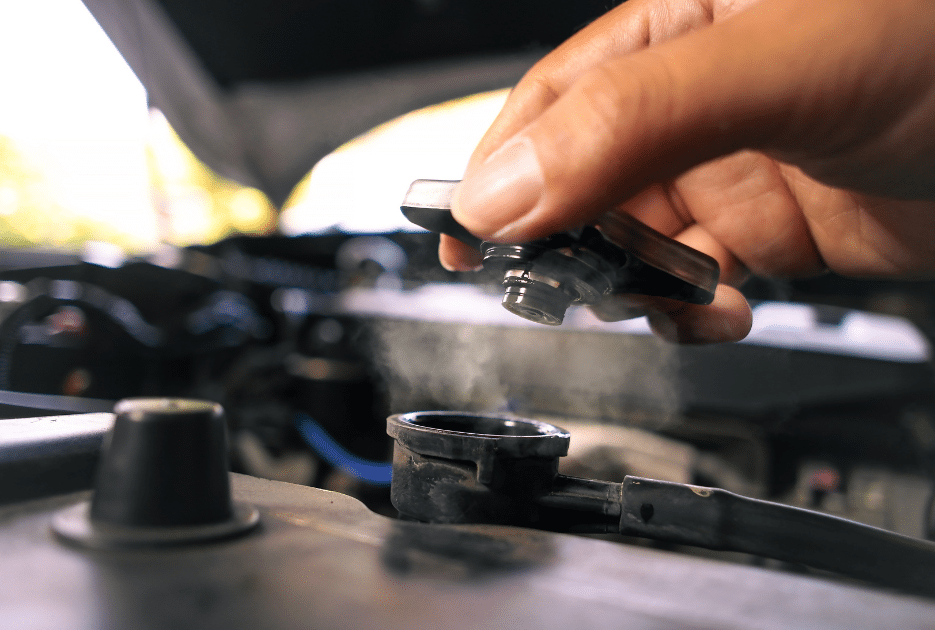
Most cooling system failures trace back to seven specific parts. The order below reflects what we actually see coming through the bay, not what looks good on a parts catalog. Some are cheap fixes caught early. A few become engine replacements if you keep driving.
1. Low Coolant Levels
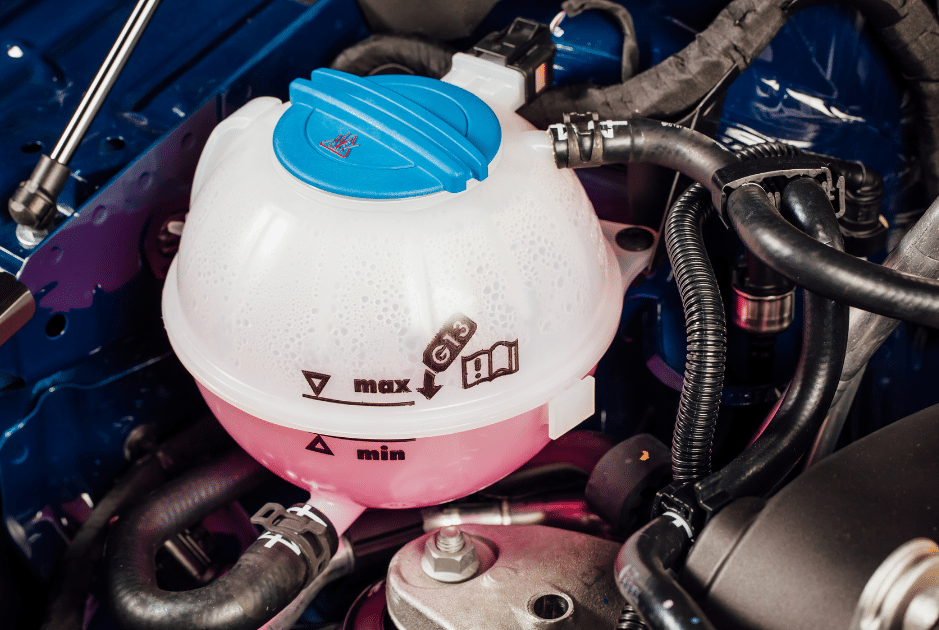
Coolant absorbs heat from the engine block and dumps it at the radiator. Lose about 30% of the volume and you'll see temperature rise within a few miles of driving. A low reservoir is a symptom, not a cause. Something is letting coolant out, whether it's a weeping hose, a cracked reservoir, or a seeping water pump.
Topping it off without finding the leak just delays the real repair. Professional coolant services include pressure testing the system to pinpoint where the fluid is escaping.
2. Radiator Blockage or Leak
The radiator is the heat exchanger that transfers engine heat into the outside air. It fails two ways. External blockage happens when bent fins or debris (a real issue for cars that spend time on I-285 and the Perimeter) restrict airflow. Internal blockage happens when old coolant turns into a brown sludge that clogs the tubes.
Car radiator overheating from a clogged core usually shows up as gradual temp creep, not a sudden spike. Replacement cost varies depending on the vehicle.
If you're also noticing the overflow tank running dry between checks, an empty coolant reservoir has its own short list of likely causes worth ruling out.
3. Water Pump Failure
The water pump uses a belt-driven impeller to circulate coolant through the engine and radiator. When it fails, flow stops and temperature climbs fast. BMW and Mercedes models with plastic impellers are a known failure point past 80,000 miles, which matters because we see a lot of those in Brookhaven, Buckhead, and Dunwoody.
Listen for a whining or grinding noise at the front of the engine. A small puddle of pink, green, or orange fluid under the front of the car is the other tell. Our European service team handles these regularly.
4. Stuck Thermostat
The thermostat is a wax-pellet valve that opens around 195°F to let coolant flow to the radiator. Stuck closed, no coolant reaches the radiator and the engine cooks. Stuck open, the engine never reaches operating temp and fuel economy suffers.
The part itself is relatively inexpensive. The secondary damage from driving on a stuck-closed thermostat is what gets expensive. We recommend replacing it between 60,000 and 100,000 miles as preventive maintenance.
5. Worn or Broken Serpentine Belt
The serpentine belt drives the water pump, alternator, and power steering pump off the crankshaft. When it snaps, the water pump stops instantly. You'll often see the battery light come on at the same time as the temp gauge climbs, because the alternator quit too.
This is one reason stop-and-go Atlanta traffic accelerates wear on belt-driven components faster than highway miles do.
6. Blown Head Gasket
The head gasket seals the cylinder head to the engine block, keeping coolant and combustion gases separate. When it fails, coolant burns in the cylinders or combustion gases push into the coolant.
The signs: sweet-smelling white exhaust, bubbling in the coolant reservoir at idle, or oil that looks like a milkshake on the dipstick. Repair can be extensive on most European vehicles. Head gasket failure can be both a cause and a consequence of overheating, which is why catching the earlier items on this list matters.
7. Failed Electric Cooling Fan (Why Your Car Only Overheats in Traffic)
The electric cooling fan pulls air through the radiator when the car isn't moving fast enough to do it naturally. On the highway, ram air masks a dead fan completely. In stop-and-go traffic on Peachtree Road or Roswell Road at 5pm, the temp gauge climbs the moment you stop moving.
If your car overheats only in traffic and cools off once you're rolling again, the fan or its relay is the first thing we test.
What to Do the Moment Your Temperature Gauge Enters the Red Zone
The next five minutes decide whether you're paying for a hose or a long block. The actions below are in order for a reason. Skip a step and the damage compounds fast.
What should I do the second my car starts overheating?
Turn off the AC immediately, crank the cabin heater to full heat with the fan on max, and pull over safely as soon as you can. That's the short answer. Here are the full steps in order.
- Kill the AC. The compressor is a major load on the engine and dumps heat into the same airflow trying to cool your radiator.
- Heater on full hot, fan on max. Sounds backward in a Georgia summer. It works. Your heater core is a small secondary radiator, and it pulls real heat off the coolant.
- Get off the road safely. Don't ride it out hoping the gauge drops. Signal, exit, park.
- Shut the engine off. Idling does not cool an overheated engine. The water pump moves coolant, but with no airflow through the radiator, you're just circulating hot fluid.
- Wait at least 30 minutes before opening the hood. The cooling system runs around 15 PSI. Pressurized coolant near boiling will burn through skin.
- Call for a tow. Our four metro-area shops in Buckhead, Chamblee, Decatur, and Marietta all take cooling system tows directly.
Three Mistakes That Turn a Repair Into a Replacement
- Adding cold water to a hot engine. Thermal shock cracks cast iron blocks and warps aluminum heads. Wait until it's cool, then add the correct coolant mix.
- Driving "just a few more miles" to the shop. Five minutes at red-line temperature can mean a head gasket or a full engine. Tow it.
- Assuming the gauge is wrong. Sensors fail, but verify it. This is exactly why running a diagnostic scan to confirm the sensor reading matters before assuming the worst.
If your temperature gauge has been creeping up, or you've spotted coolant under the car, get it looked at before a hose becomes a head gasket. Our four metro-area shops diagnose cooling system issues on both European and domestic vehicles.
Frequently Asked Questions
How Long Does It Take to Repair an Overheating Issue at Blue Ridge Automotive?
Repair time depends on the root cause. A thermostat replacement or coolant flush can often be completed the same day, while a blown head gasket repair may take two to four days depending on parts availability and engine access. Blue Ridge Automotive provides a same-day diagnosis in most cases so you know exactly what you are dealing with before committing to a repair.
Can I Drive My Car to the Shop If It Overheated Once but Seems Fine Now?
A single overheating event that appears to resolve on its own does not mean the underlying problem is gone. Coolant leaks, a weak water pump, or a sticking thermostat can behave intermittently before causing serious damage on a subsequent drive. Call Blue Ridge Automotive before driving the vehicle so a technician can advise whether it is safe to bring in or whether a tow is the smarter move.
Is It Safe to Add Water Instead of Coolant in an Emergency?
Plain water can be used as a short-term emergency measure to get you off a busy Atlanta highway, but it should never be treated as a permanent fix. Water lacks the corrosion inhibitors and freeze protection that coolant provides, and it will damage aluminum engine components over time. Have the system flushed and refilled with the correct coolant mixture as soon as possible after any emergency top-off.
Does Overheating Void My Car's Warranty?
A manufacturer warranty generally covers defects in materials or workmanship, not damage caused by neglect or running an engine after warning signs appear. If an overheating event caused internal engine damage, a warranty claim could be denied if the automaker determines the driver continued operating the vehicle despite clear warning indicators. Keeping service records from Blue Ridge Automotive documenting regular cooling system maintenance strengthens your position in any warranty dispute.
How Often Should the Cooling System Be Serviced to Prevent Overheating?
Most manufacturers recommend a coolant flush every 30,000 to 50,000 miles, though interval recommendations vary by vehicle make and coolant type. European vehicles in particular often specify longer-life coolant that still degrades and becomes acidic over time, making periodic testing important. Blue Ridge Automotive can test your coolant's condition and check hoses, the pressure cap, and the radiator during any routine service visit.
Will My Insurance Cover Engine Damage from Overheating?
Standard auto insurance policies cover damage from sudden, accidental events but typically exclude mechanical breakdown or engine damage resulting from lack of maintenance. Some mechanical breakdown insurance or extended warranty products do cover cooling system failures, so it is worth reviewing your specific policy documents. Blue Ridge Automotive can provide detailed repair invoices and diagnostic reports that your insurer or warranty administrator may require when processing a claim.
Do Atlanta's Summer Temperatures Make Overheating More Likely?
Atlanta's combination of high summer heat and frequent stop-and-go highway traffic creates conditions that stress cooling systems far more than moderate climates do. Ambient temperatures above 90 degrees Fahrenheit reduce the temperature differential between the coolant and the outside air, making it harder for the radiator to shed heat efficiently. Vehicles with marginal cooling system components that function acceptably in cooler weather often begin overheating once Atlanta's summer conditions arrive.
Ready to Get Started with Blue Ridge Automotive – European & Domestic?
Cooling system problems get expensive fast. A thermostat caught early is a same-day, few-hundred-dollar fix. The same problem ignored for one more commute can mean a head gasket, a warped head, or a full engine replacement that is significantly more expensive.
If your temperature gauge has been creeping higher than usual, you've spotted pink, green, or orange fluid under the car, or your engine only runs hot in stop-and-go traffic, bring it to Blue Ridge Automotive before the next hot drive. Our four metro-area shops service both European and domestic vehicles, and most cooling system diagnostics are completed the same day.
To speak directly with our team, call Buckhead at (404) 266-1699, Chamblee at (770) 216-8474, Decatur at (404) 549-9424, or Marietta at (770) 426-4220.
Reach out today and let's talk about how we can help.