

What Serpentine Belt Replacement Really Costs and Why Marietta Drivers Shouldn't Wait
Sharing this:
That faint squeal coming from under the hood when you start the car in the morning? It's easy to brush off. The car still drives fine, the dashboard looks normal, and nothing else seems out of place. Then one afternoon on I-75 heading out of Marietta, the steering goes heavy, the temperature gauge spikes, and the battery light flashes on. All at once.
That's what a failing serpentine belt does when it's finally had enough. And the replacement itself is one of the least expensive repairs on a modern car, which is exactly why putting it off makes so little sense. This guide breaks down what serpentine belt replacement actually costs in 2026, what pushes the price up or down, the warning signs that shouldn't be ignored, and what really happens when a belt lets go at 55 mph.
What the Serpentine Belt Actually Does
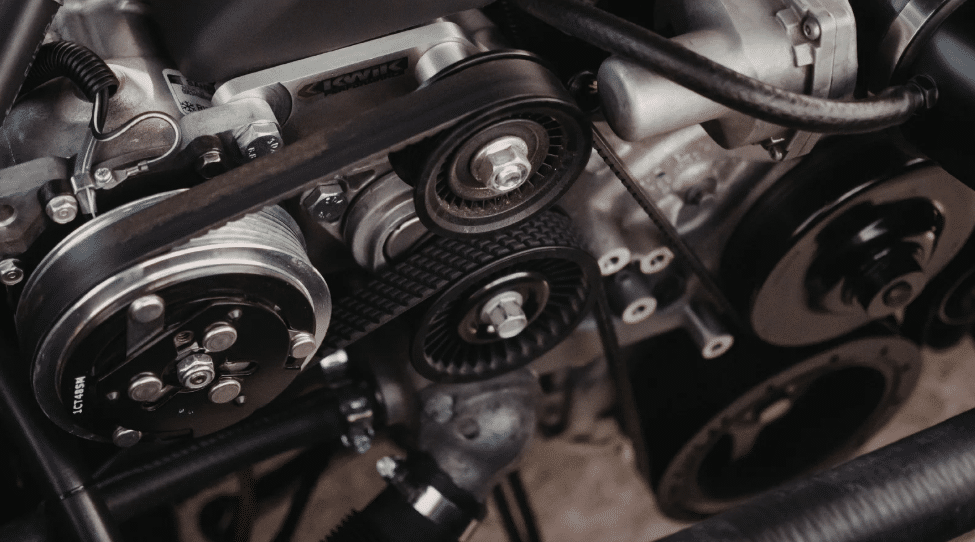
Before modern engines had a single long belt, cars used multiple V-belts, each driving one accessory. The serpentine design replaced all of that with one continuous, ribbed belt that snakes through a set of pulleys to power every belt-driven component at once. That typically includes the alternator, water pump, power steering pump, and air conditioning compressor. On some vehicles, it also drives the vacuum pump or supercharger.
The belt itself is a small, inexpensive rubber component. But because it drives so many critical systems simultaneously, the consequences of failure reach far beyond the belt. A snapped belt can mean no charging, no cooling, no power assist on the steering, and no A/C, all in the same moment. On a hot summer day stuck in Marietta traffic, that situation goes from inconvenient to dangerous quickly.
What Serpentine Belt Replacement Costs in 2026
For most vehicles, serpentine belt replacement cost varies based on vehicle make, model, and the accessibility of the belt. Parts and labor each contribute to the total, depending on how involved the job is. Simple layouts on compact sedans and many Asian imports fall at the lower end, while European luxury vehicles and trucks with tight engine bays push toward the top of the range.
Labor time is the biggest variable. On a Honda Civic or Toyota Camry, the belt can be out and replaced in 30 to 45 minutes. On a BMW or Mercedes with multiple accessories stacked around the pulley system, the same job can take two hours or more. Dealerships typically charge higher hourly labor rates than independent shops, which is one reason specialty independents around Marietta often deliver better value on European makes without sacrificing expertise.
Vehicles with turbocharged engines, dual belt systems, or hybrid accessory setups also come in higher. If a technician quotes you a serpentine belt replacement cost outside the typical range, ask why. The honest answer might involve a complex engine layout, required tensioner replacement, or OEM-only parts. That's legitimate. A vague answer isn't.
Why the Tensioner and Idler Pulleys Matter for Your Final Bill
The serpentine belt doesn't operate alone. A spring-loaded tensioner keeps the belt at proper tension, and one or more idler pulleys route the belt through the correct path. These components have bearings that wear out over time, and their lifespan roughly matches the belt itself. When a tensioner spring weakens or an idler bearing starts to rattle, the belt slips, wears unevenly, and fails earlier than it should.
Many shops quote "just the belt" on an initial estimate, then add tensioner or pulley replacement if inspection reveals wear. That's not upselling when it's legitimate. A new belt on a worn tensioner typically fails within months, and you end up paying labor twice. Expect additional cost for a tensioner and per idler pulley if replacement is needed.
The smart move is to ask upfront whether tensioner and pulley inspection is included in the quoted price. Bundling all belt-drive components in a single visit almost always costs less than doing them separately, because the labor overlaps completely. If your vehicle is approaching 100,000 miles and the belt is due, plan for the possibility of tensioner work rather than being surprised by it.
Warning Signs Your Serpentine Belt Is About to Fail
The most common early symptom is a high-pitched squeal at cold startup that fades once the engine warms up. That noise comes from a glazed or slipping belt failing to grip its pulleys. A chirping sound, separate from the squeal, often indicates misalignment or a worn pulley bearing rather than the belt itself.
Visible inspection tells you a lot. Pop the hood with the engine off and look at the belt's surface and underside. A healthy belt has clean, defined ribs and a slightly dull finish. A failing belt shows lengthwise cracks, chunks of missing rubber, frayed edges, or a shiny glazed appearance from heat. Any of those signs means replacement should be scheduled soon, not someday.
Other clues come from the systems the belt powers. Headlights that dim at idle, a battery warning light that flickers on briefly, a steering wheel that suddenly feels heavier than normal, or an air conditioning system that loses cold when the engine is under load all point toward belt slip. A proper diagnostic service can confirm whether the belt is the root cause or whether a failing accessory is dragging the belt down with it.
What Happens When You Ignore the Warning Signs
When a serpentine belt snaps at highway speed, the cascade is immediate. The alternator stops charging, so the battery has minutes before dash electronics start shutting down. The power steering pump stops, so the wheel goes heavy the moment you try to turn. The water pump stops, so coolant stops circulating, and engine temperature climbs within a minute or two on a hot day.
That last piece is where a minor repair turns into a major one. A modern engine running without coolant flow can warp a cylinder head or blow a head gasket in well under five minutes of overheating. Full engine repair after that kind of thermal event often runs into the thousands, and sometimes the damage is bad enough that replacement makes more sense than repair.
There's also the simple matter of getting stranded. A belt that snaps on Cobb Parkway or I-75 during Marietta rush hour leaves you coasting to the shoulder with no power steering, warning lights cascading across the dash, and no way to drive anywhere. Tow fees, missed work, and the stress of the situation all stack on top of the repair bill. None of that happens if the belt gets replaced when the first squeal shows up.
Recommended Replacement Intervals and What Affects Belt Life
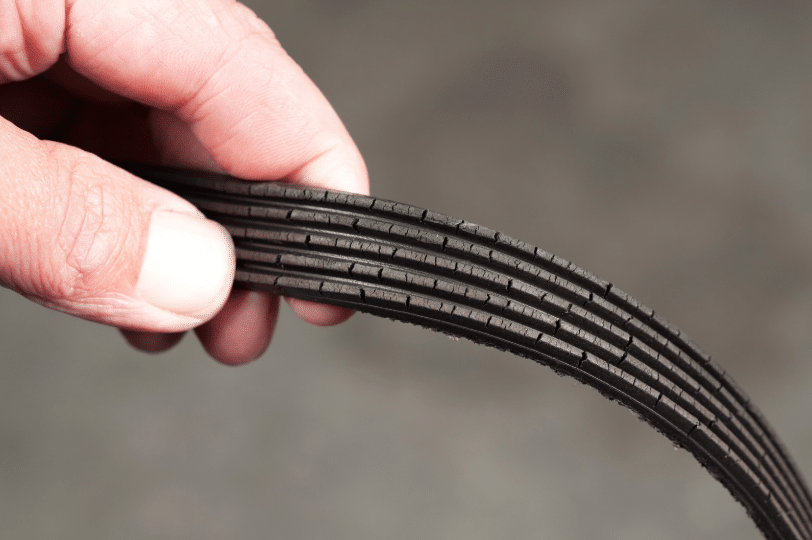
Most manufacturers recommend inspecting the serpentine belt every 30,000 to 50,000 miles and replacing it between 60,000 and 100,000 miles. Modern EPDM rubber belts last longer than older neoprene designs, but they also fail less visibly. An EPDM belt can look reasonably good while actually being worn out, which is why mileage-based replacement makes more sense than waiting for obvious damage.
The Marietta-area climate shortens belt life compared to milder regions. Long summers of 90-plus degree heat accelerate rubber hardening, and stop-and-go traffic on I-75 and 285 keeps the engine bay hotter for longer than highway driving would. Marietta cars that spend most of their time in metro traffic often need belt replacement closer to the 60,000-mile end of the range rather than the 100,000-mile end.
Short-trip driving is another factor. Engines that don't fully warm up subject the belt to repeated thermal cycling without the stabilizing effect of a hot soak. If your car mostly runs errands within five miles of home, inspect the belt more frequently than the manufacturer's interval suggests. This is the kind of wear pattern a routine car maintenance service catches well before it becomes a roadside problem.
Why DIY Isn't Always the Bargain It Looks Like
Serpentine belt replacement looks straightforward on paper. Release the tensioner, slip off the old belt, route the new one, release the tensioner back into position. On a late-90s domestic V8 with a wide-open engine bay, that's genuinely a 20-minute driveway job.
On most modern vehicles, it isn't. Tight engine bays often require removing the motor mount, the coolant reservoir, or the passenger-side wheel and splash guard to get a wrench on the tensioner. Some vehicles require a specialty tensioner tool that only fits one brand. Routing the belt incorrectly, even by one pulley, causes immediate slippage and damage. A belt installed backward or with the ribs on the wrong pulley face can destroy itself within minutes.
There's also the question of what else you'd catch during the job. A technician with the belt off will spin each pulley by hand to check for bearing noise, inspect the tensioner for smooth travel, and verify that no accessory pulley is wobbling on its shaft. A driveway swap misses all of that. If you want to handle the belt yourself on a simple engine, that's a reasonable call. On anything modern or European, the labor savings rarely justify the risks.
How to Avoid Overpaying at the Shop
Start with a written estimate that breaks down parts and labor separately. That makes it easy to see whether the shop's markup is reasonable and whether the parts quoted match your vehicle's actual specification. Ask whether the estimate includes tensioner and pulley inspection, or whether those are extra line items if wear is found.
Ask about the parts being used. OEM belts typically cost more than aftermarket equivalents, but not all aftermarket belts are equal. Reputable brands like Gates, Dayco, and Continental make belts that meet or exceed OEM specifications at lower prices. Bargain-bin belts, on the other hand, can fail within 20,000 miles. If you want a clearer picture of that trade-off, our guide on OEM vs. aftermarket car parts covers how to decide for different components.
Finally, ask about warranty coverage. Quality shops back parts and labor for at least 12 months or 12,000 miles. Longer coverage, such as the 24-month, 24,000-mile warranty offered through TechNet, reflects real confidence in the work. A shop that can't put a warranty in writing is telling you something about their standards.
Frequently Asked Questions
How long does serpentine belt replacement take?
On most vehicles, the job takes 30 minutes to two hours depending on engine layout. European luxury vehicles and trucks with cramped engine bays sit at the higher end of that range. Your shop should give you a realistic time estimate when you schedule the appointment.
Can I keep driving with a cracked serpentine belt?
In the short term, yes, but it's a gamble. A belt with visible cracks can last another 5,000 miles or fail tomorrow. Given that replacement is usually a couple hundred dollars and failure can strand you or destroy your engine, the math rarely favors waiting.
Is it okay to replace only the belt and not the tensioner?
Only if the tensioner is still in good condition. A weak tensioner causes the new belt to slip and wear prematurely, which wastes the labor you just paid for. Any competent shop will inspect the tensioner during belt replacement and tell you whether it needs to be replaced.
Why do European cars cost more to service than Asian or domestic models?
European vehicles typically have tighter engine bays, more accessories packed into the belt-drive system, higher labor times, and more expensive OEM parts. A serpentine belt job that takes 45 minutes on a Toyota can take two-plus hours on a BMW, and the parts cost more as well.
My car is squealing but the belt looks fine. What else could it be?
A squeal can come from a worn pulley bearing, a failing tensioner, a glazed belt surface that isn't visibly cracked, or even a slipping accessory like the alternator or A/C compressor clutch. A technician with a stethoscope or a spray bottle can usually pinpoint the source within a few minutes. Loss of A/C performance alongside squealing may also point to air conditioning repair needs rather than the belt itself.
Is the serpentine belt the same as the timing belt?
No. The serpentine belt drives accessories on the outside of the engine and is relatively simple to replace. The timing belt synchronizes internal engine components and is a much larger job, usually done every 80,000 to 100,000 miles. A broken timing belt can destroy an interference engine, so don't confuse the two service intervals.
About Blue Ridge Automotive
Blue Ridge Automotive has been serving Marietta drivers for years from our Marietta location, with additional convenient shops in Buckhead at (404) 266-1699, Chamblee at (770) 216-8474, and Decatur at (404) 549-9424. Our ASE-certified technicians handle everything from routine belt replacement to complex alternator failure and repair work, and we back every service with a 24,000-mile, 24-month warranty on parts and labor through TechNet. Whether you drive Asian, domestic, or European, our team has the training and diagnostic equipment to keep your vehicle running strong through Marietta's summers and daily traffic.
Don't Wait for the Belt to Snap
A belt replacement today is always cheaper than an engine repair tomorrow. If you've heard squealing at startup, noticed a flickering battery light, or can't remember the last time your belt was inspected, now is the time to have it checked. Related issues like coolant services often come up during the same visit, so one appointment can catch multiple potential problems before they leave you on the shoulder.
Call (770) 426-4220 or schedule a service online to book your serpentine belt inspection or replacement at the Blue Ridge Automotive Marietta location.