
July 8, 2025
The cost to replace brake pads and rotors can vary significantly based on several factors, including vehicle type, parts quality, and where you get the service performed. At Blue Ridge Automotive, we've seen firsthand how understanding these variables can help drivers budget appropriately and avoid unnecessary expenses.
In this comprehensive guide, we'll break down everything you need to know about brake replacement costs, help you identify when replacement is necessary, and provide tips for getting the best value without compromising your safety.
Know What You're Paying For: Key Brake Components Explained
Before diving into costs, it's important to understand what you're paying for. Your vehicle's braking system consists of several crucial components that work together to stop your car safely.
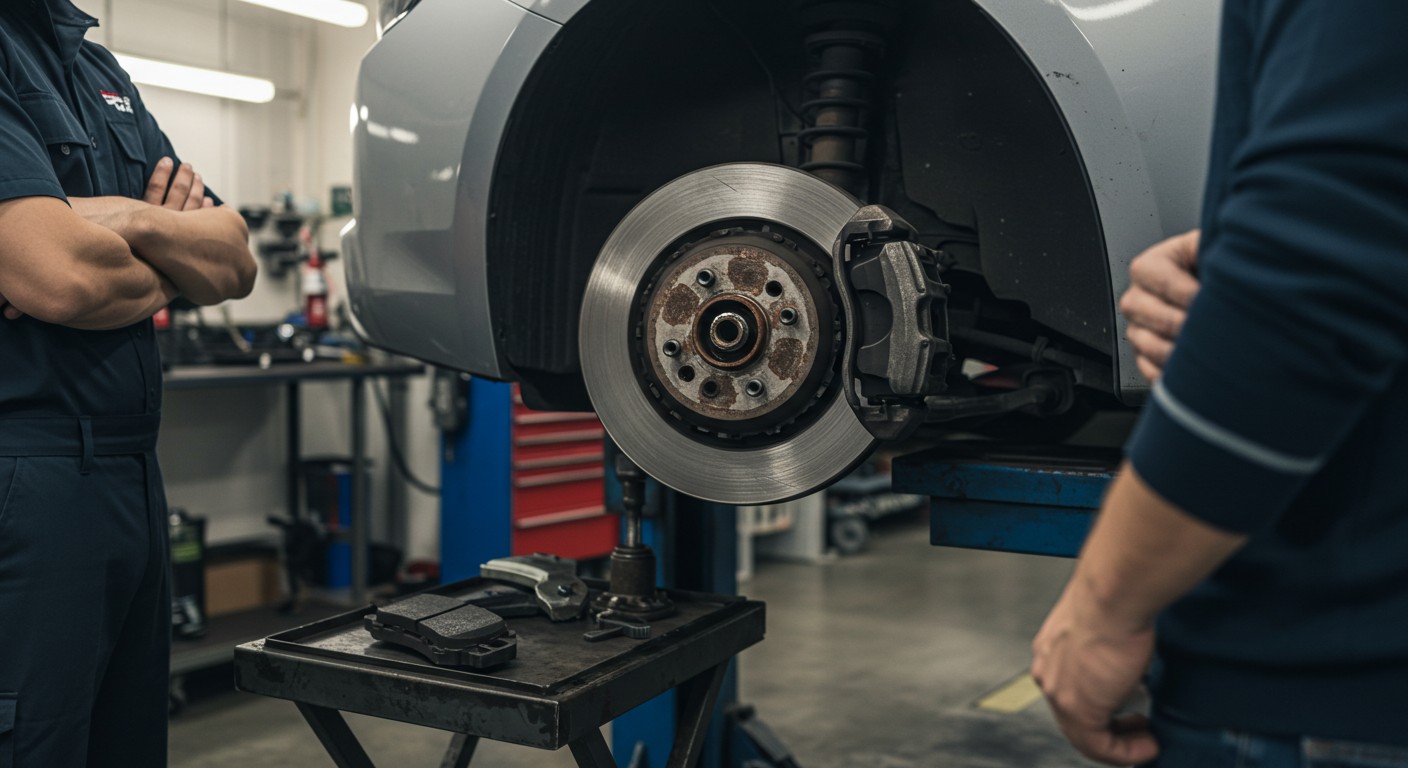
Brake pads are the friction material that presses against the rotors to slow your vehicle. Made of composite materials designed to withstand heat and pressure, these components naturally wear down over time. Most vehicles use different types of brake pads. Whether semi-metallic, ceramic, or organic, each pad has varying price points and performance characteristics.
Rotors (also called brake discs) are the metal discs attached to your wheels that the brake pads clamp onto when you press the brake pedal. These can become warped or worn over time, reducing braking efficiency and safety. Unlike pads, rotors are typically made of cast iron or carbon-ceramic material for high-performance vehicles.
Calipers are the components that house the brake pads and push them against the rotors when you press the brake pedal. While calipers generally last longer than pads and rotors, they can occasionally need replacement or rebuilding.
Brake pad and rotor life depends on the vehicle, driving conditions and the condition of the braking system. At Blue Ridge Automotive, our technicians inspect the pads, measure the rotors and explain which components need attention.
Plan Your Budget: What Brake Pad and Rotor Replacement Really Costs
The cost to replace brake pads and rotors depends on your vehicle and what the inspection finds. This guide explains the items in an estimate; it is not a fixed-price offer from Blue Ridge Automotive.
Blue Ridge Automotive Brake Pricing: Starting At
Here's where brake service starts at our Atlanta-area shops. Prices are per axle (front or rear):
- Brake pad replacement, most cars: starting at $189 per axle
- Brake pad replacement, European cars (BMW, Mercedes-Benz, Audi, Porsche, Volkswagen, MINI and similar): starting at $249 per axle
- Brake pads and rotors, most cars: starting at $349 per axle
- Brake pads and rotors, European cars: starting at $499 per axle
These are starting prices, not final quotes. Your total depends on your vehicle, the parts it needs and what the inspection finds. Trucks, SUVs, performance brake packages and electronic parking brakes can cost more. We inspect your brakes and give you a written estimate before any work begins. Schedule a brake inspection to get an exact price for your vehicle.
A pad-only replacement and a pad-and-rotor replacement are different jobs. Ask whether the estimate covers the front axle, rear axle or all four wheels, and which parts and labor are included.
If the rotors need replacement as well as the pads, the estimate will include those additional parts and the work required to install them. Caliper, hydraulic or electronic parking-brake issues can change the scope. We explain the recommended work and get your approval before starting.
Here's a more detailed breakdown of what contributes to these costs:
- Parts: The estimate should name the pads, rotors and any hardware required for your vehicle, including the parts brand or specification.
- Labor: Ask which installation procedures are included and whether any additional diagnostic or related repair work is being quoted.
- Scope and total: Confirm which axle is covered, whether taxes and fees are included, and what warranty applies.
European, luxury and performance vehicles can require different parts and procedures from other cars. Share your make, model and year when booking, and ask for a vehicle-specific estimate after inspection rather than relying on a general online price range.
Understand What Drives Brake Service Pricing
Several key factors can significantly impact how much you'll pay for brake service:
Vehicle Make and Model
The vehicle’s braking system determines which parts and procedures are needed. A compact car and a performance sedan may use different pad compounds, rotor sizes and electronic parking-brake systems. Compare estimates for your exact make, model and year.
Truck and SUV
Truck and SUV owners should also expect higher costs due to the larger, heavier-duty components required for these vehicles. These larger vehicles put more strain on braking systems, requiring more robust parts that come with higher price tags.
Quality of Replacement Parts
Brake components come in various quality levels, from economy to premium and performance grades:
- Vehicle specification: Parts must be suitable for the make, model and braking system.
- OEM parts: Ask whether the estimate specifies original-equipment components.
- Aftermarket parts: Ask which manufacturer and product line are being quoted.
- Intended use: Discuss towing, performance use or other requirements that affect part selection.
Compare the parts specified in each estimate, not just the total. The correct fit, intended use and warranty matter more than an unsupported claim that one price tier always lasts longer.
Service Location
Where you get your brake work done significantly impacts your total cost:
- Compare the same job: Check that every quote covers the same axle, parts and procedures.
- Check the full total: Ask about diagnostic charges, taxes and shop fees.
- Understand coverage: Compare parts-and-labor warranty terms and exclusions.
- Consider DIY carefully: Tools, experience and safe working procedures are essential.
At Blue Ridge Automotive, we provide competitive pricing while using high-quality parts and employing ASE-certified technicians who specialize in brake systems.
Spot the Warning Signs Before Brake Problems Worsen
Knowing when to replace your brakes can save you money and prevent dangerous failures. Here are the telltale signs that your braking system needs attention:
Audible Warning Signs
That high-pitched squealing when you apply the brakes isn't just annoying, it's a deliberate design feature. Most brake pads include wear indicators that create a squealing noise when the pad material has worn down to a certain level.
If ignored, this squealing eventually transitions to a harsh grinding sound, indicating metal-on-metal contact that's damaging your rotors. Other concerning sounds include clicking, rattling, or vibrating noises when braking, which could indicate loose components or unevenly worn pads and rotors.
Physical and Performance Indicators
Beyond sound, your vehicle provides several other indicators of brake system issues:
- Vibration or pulsation: Have the rotors and related components inspected rather than assuming a single cause.
- Longer stopping distances: Treat a change in stopping performance as a safety concern.
- A soft or sinking pedal: Stop driving if braking feels unsafe and arrange professional assistance.
- Pulling to one side: Uneven braking needs diagnosis.
- Visible wear or damage: Pad thickness and rotor condition should be checked against the vehicle specifications.
Longer stopping distances, a soft pedal or pulling under braking deserve prompt attention. If braking feels unsafe, stop driving and arrange professional assistance rather than continuing to test the car on the road.
For a professional brake inspection, our technicians can evaluate the system and explain the recommended work before you approve it.
Choose the Right Approach Between DIY vs. Pro Brake Replacement
Many car enthusiasts consider brake replacement a manageable DIY project, while others prefer leaving it to professionals. Each approach has distinct advantages and considerations.
DIY Brake Replacement
DIY work avoids paying a shop for labor, but brake repairs require the right equipment, procedures and experience. Before considering the job, you'll need:
- Suitable lifting equipment and tools used according to their instructions.
- A safe, level workspace and secure vehicle support.
- Vehicle-specific service information, including torque settings and any electronic parking-brake procedures.
- The experience to verify the repair safely; if in doubt, use a qualified technician.
The time and difficulty depend on the vehicle and your experience. Electronic parking brakes and other vehicle-specific systems can require special tools and procedures. If you are unsure, have a qualified technician handle the repair.
Professional Brake Service Benefits
Having your brakes professionally replaced offers several advantages:
- Technician expertise and appropriate tools for the vehicle.
- Inspection of related components before the repair scope is agreed.
- A written estimate and clear warranty terms before approving work.
- Checks after the repair to verify the braking system operates correctly.
Brake repairs affect more than the parts being replaced. Correct procedures, fastener torque and checks of the related components matter. A professional inspection helps identify the complete job before work begins.
Smart Ways to Cut Brake Replacement Costs Without Risking Safety
While brake replacement is a necessary expense, there are legitimate ways to reduce costs without compromising safety:
Compare Quotes and Options
Don't settle for the first estimate you receive. Getting quotes from 3-4 reputable shops can reveal significant price differences for the same service. When comparing, make sure you understand:
- What quality level of parts are they using
- Whether they're replacing both pads and rotors or just pads
- If the price includes additional services like caliper rebuilding or brake fluid flush
- What warranty is offered on parts and labor
Consider Partial Replacement When Appropriate
In some cases, you may not need to replace everything:
- Pads and rotors should be assessed against the vehicle specifications, not replaced solely because of a generic mileage rule.
- Wear can differ between the front and rear axles, so ask which axle needs work and why.
- Rotors below minimum thickness or with damage requiring replacement should be replaced.
However, if rotors show signs of heat damage, cracks, or excessive wear, replacement is the safer option. A professional inspection can determine whether partial replacement is appropriate for your vehicle.
Timing and Maintenance Considerations
Regular maintenance can extend the life of your braking system:
- Address squealing, grinding or changes in braking promptly.
- Follow the vehicle manufacturer’s inspection and brake-fluid maintenance schedule.
- Ask the technician to explain the pad measurements and rotor findings.
- Avoid riding the brakes, and leave room for smooth, controlled stops.
Addressing brake symptoms promptly gives you a chance to identify the cause before related components are damaged. An inspection can distinguish normal wear from a problem that needs immediate attention.
For comprehensive brake services that include thorough inspection and maintenance recommendations, our experts can help extend the life of your braking system while keeping you safe.
Get More from Your Brake Service with the Right Warranty
Not all brake jobs are created equal, and understanding warranty coverage can help you determine the true value of the service you're receiving.
Parts and labor coverage can differ. Ask what is covered, what is excluded and how a warranty claim is handled before approving the repair.
Blue Ridge Automotive backs most repairs with a 24-month, 24,000-mile nationwide parts-and-labor warranty. Ask your advisor to confirm the coverage and any exclusions for your specific brake repair.
When evaluating brake service providers, ask these specific warranty questions:
- What's covered under the parts warranty: just defects, or also normal wear?
- How long is the labor warranty if problems arise from installation?
- Are there mileage limitations on the warranty?
- What documentation is needed if warranty service is required?
Remember that proper maintenance also affects warranty coverage. Most warranties require reasonable care and maintenance of your vehicle to remain valid.
Frequently Asked Questions
How often do brake pads and rotors need to be replaced?
There is no single replacement mileage that fits every vehicle. Driving habits, vehicle weight and pad material affect wear. Follow your maintenance schedule and have pad thickness checked during inspections.
Rotors should be measured and inspected for thickness, surface condition and damage. Whether they need replacement depends on those findings and the vehicle specifications, not mileage alone.
Can I replace just the brake pads without replacing the rotors?
Yes, in many cases, you can replace just the brake pads if your rotors are still in good condition with adequate thickness remaining. However, if rotors show signs of scoring, grooving, or have excessive runout (wobble), they should be replaced simultaneously.
Some mechanics recommend replacing rotors when installing new pads to ensure proper contact and performance. This decision should be based on rotor measurements and visual inspection by a qualified technician.
What's the difference between economy and premium brake components?
Economy brake components typically use less expensive materials that may wear faster or provide less optimal braking performance. Premium brake components often feature higher-quality friction materials, better heat dissipation, and more precise manufacturing tolerances.
Premium pads might include features like chamfered edges to reduce noise and shims to prevent vibration. While premium components cost more initially, they often provide better value through longer service life, improved stopping power, and quieter operation, especially important for heavier vehicles or those used for towing.
How long does a brake replacement service take?
The time required depends on the vehicle, the parts being replaced and whether the inspection identifies additional work. Ask your advisor for the expected turnaround after the repair scope is confirmed.
A pad-and-rotor job, hydraulic repairs and electronic parking-brake procedures can require different amounts of time. Confirm parts availability and pickup timing before approving the work.
Will my car insurance cover brake replacement?
Standard auto insurance policies do not cover maintenance items like brake replacement, as these are considered expected wear components. Insurance only covers brake damage resulting from a covered accident.
Extended warranties or vehicle service contracts might cover brake components if failure occurs due to defects rather than normal wear, but most exclude wear items like brake pads. It's best to budget for brake maintenance as a regular ownership expense, similar to tires or oil changes.
Stay Safe and Informed with Smart Brake Maintenance Decisions
Replacing brake pads and rotors is an investment in safe stopping. The useful number is a vehicle-specific estimate that explains the parts, labor, axle coverage and any additional work, not a conflicting set of online price ranges.
By recognizing the signs of brake wear early, comparing service options carefully, and considering the total value, including warranty coverage, you can manage costs effectively without compromising safety. Remember that brakes are perhaps your vehicle's most critical safety system.
Investing in quality components and professional installation provides safety that far outweighs the potential savings of cutting corners. If you're experiencing any brake issues or approaching the typical replacement interval, contact a reputable service provider for an inspection and detailed estimate tailored to your specific vehicle.
About Blue Ridge Automotive
Blue Ridge Automotive provides auto repair and maintenance for European, Asian and domestic vehicles. Our technicians inspect brake pads, rotors and related components, explain what they find and get your approval before any work begins.
We stay current on braking technologies, from traditional systems to those in hybrid and electric vehicles, through ongoing technician training. Our shop uses OEM or premium aftermarket parts and backs all work with strong warranties. With advanced diagnostic tools, we catch brake issues early before they impact your safety.
Schedule a brake inspection and select your preferred shop. Tell us your vehicle and the symptoms you have noticed. We will inspect the brakes, explain the recommended work and provide a vehicle-specific estimate for your approval. You can also learn more about our brake repair service before booking.
Need a hand with this repair?
Our ASE-certified technicians serve Buckhead, Chamblee, Decatur, and Marietta — backed by a 24,000-mile, 24-month nationwide warranty on parts and labor.