
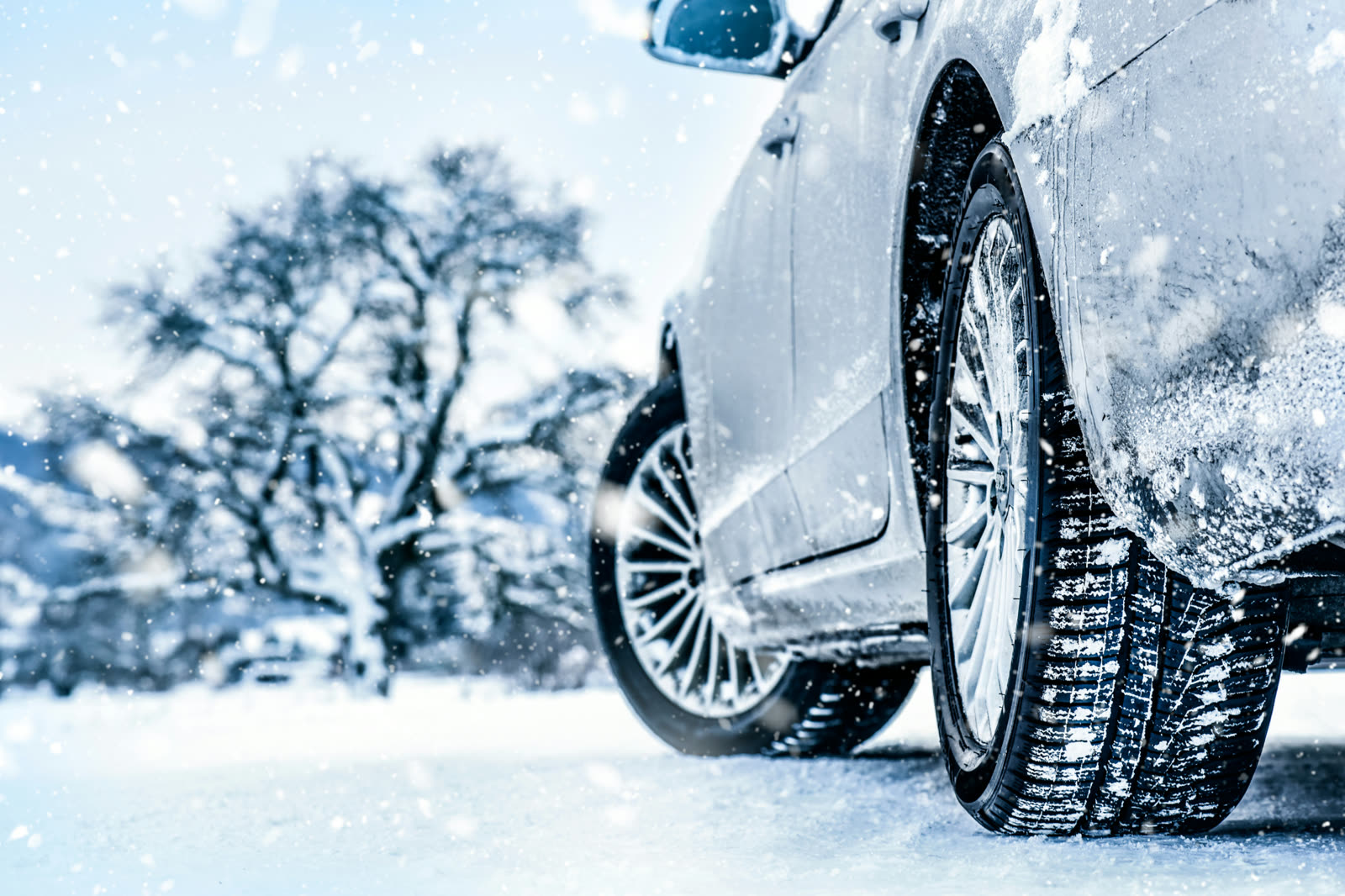
1. Check Your Tires
Your tires play a critical role in keeping you safe on icy roads. They provide the traction and control needed to navigate slippery conditions, so making sure they’re in top shape is a winter driving essential.
Measure Tire Tread
Adequate tread depth is crucial for maintaining grip in snow and ice. Use a tread depth gauge to check that your tires have at least 6/32 of an inch of tread for winter driving. If they’re worn down, consider replacing them before conditions worsen.
Switch to Winter Tires
Winter tires are designed with specialized rubber compounds and tread patterns that improve traction in cold temperatures. Unlike all-season tires, they stay flexible in cold weather, providing better performance on snow and ice.
Monitor Tire Pressure
Cold weather causes tire pressure to drop. Underinflated tires reduce grip and increase wear, so check your tire pressure at least once a month using a reliable gauge. Always measure when the tires are cold (before driving or after resting for at least three hours) and adjust to the recommended PSI found in your vehicle’s manual.
Proper tire care is critical for winter safety. Learn more about winter tires and alignment to ensure your vehicle maintains traction in icy conditions.
2. Check Your Battery
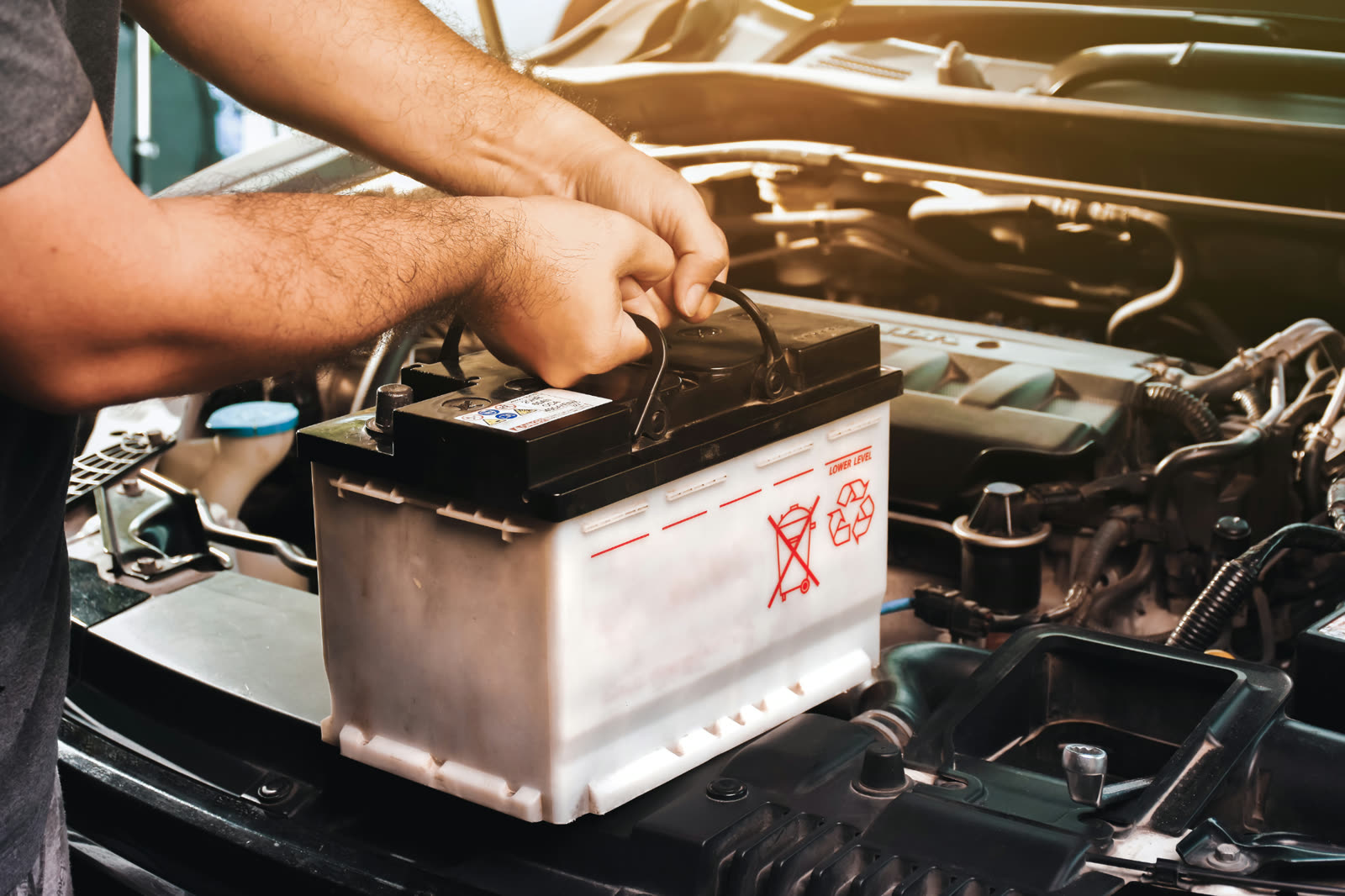
Cold temperatures can weaken your car battery, making it harder for your engine to start. Battery failures are one of the top causes of winter roadside breakdowns, so it’s crucial to test and maintain your battery before the temperature drops.
Test Battery Voltage
A fully charged battery should read between 12.4 and 12.7 volts when the engine is off. If your battery is below 12.4 volts, it may struggle in cold weather. If it’s older than three to five years, consider replacing it before winter.
Check for Corrosion
Corroded battery terminals can weaken performance and cause starting issues. Clean any buildup using a mixture of baking soda and water with a wire brush. After cleaning, apply a thin layer of petroleum jelly to prevent future corrosion.
Inspect the Alternator
A failing alternator won’t keep the battery properly charged. With the engine running, voltage should be between 13.7 and 14.7 volts. If your lights dim or your battery dies frequently, your alternator may need servicing.
A comprehensive vehicle maintenance check can assess battery health and prevent winter-related failures.
3. Top Off All Fluids
Keeping your vehicle’s fluids at the correct levels is essential for reliable winter performance.
Check Antifreeze (Coolant)
Your engine’s cooling system prevents freezing and overheating. The ideal mix for winter is a 50/50 ratio of antifreeze and distilled water to provide proper freeze protection.
- Always check coolant levels when the engine is completely cool and top off as needed.
- Use a pre-mixed antifreeze solution to maintain the correct ratio.
Fill Winter Washer Fluid
Regular windshield washer fluid can freeze in cold weather, reducing visibility. Use a winter-grade washer fluid to keep your windshield clear.
Use the Right Engine Oil
Winter weather thickens motor oil, making it harder for the engine to circulate. Use synthetic or winter-grade oil (labeled with a “W” for winter) as recommended in your owner’s manual.
If you’re unsure whether your fluids are winter-ready, a routine maintenance check can ensure all essential systems are prepared for colder temperatures.
4. Inspect Belts and Hoses
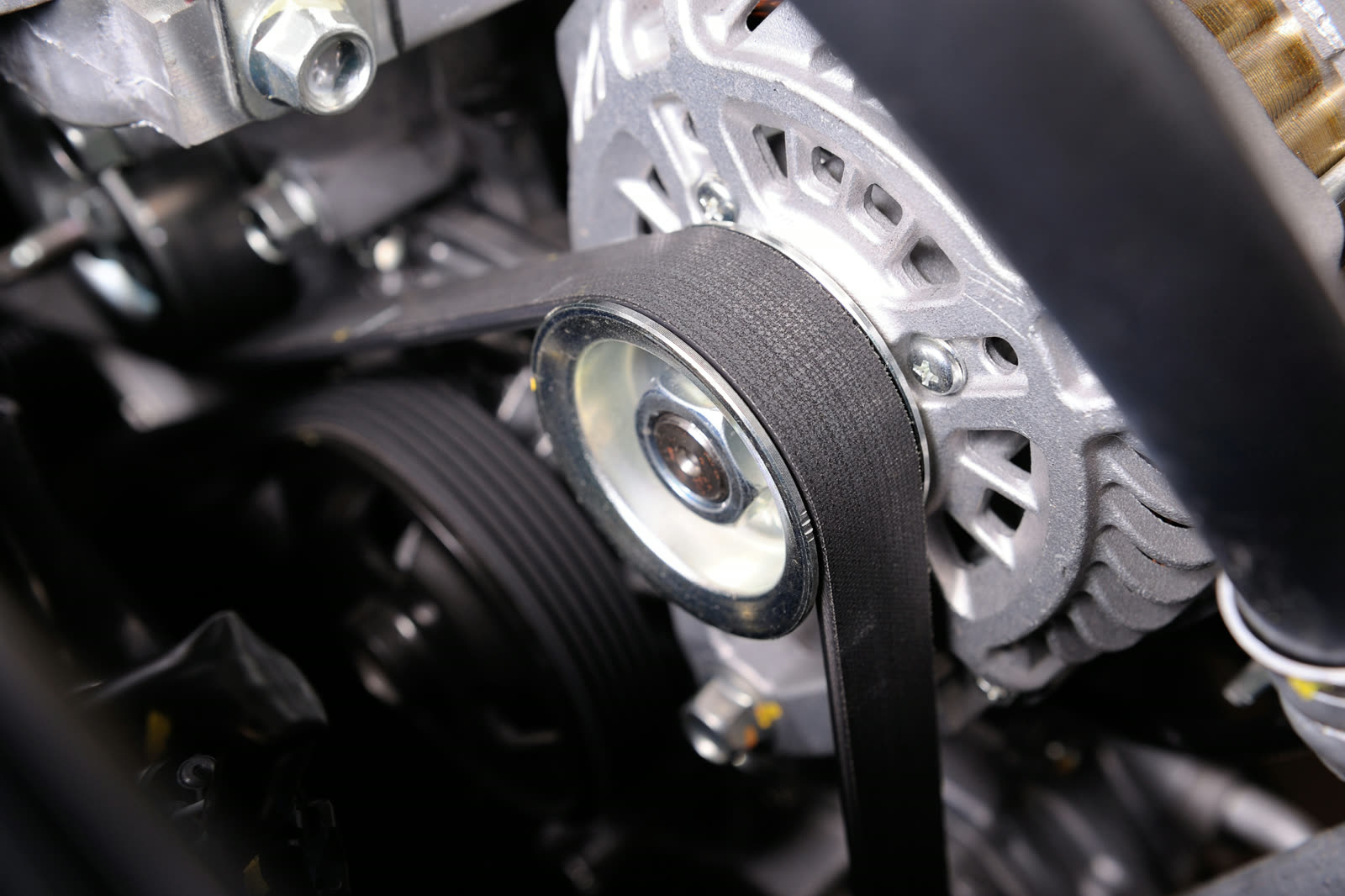
Cold temperatures accelerate wear and tear on rubber components, increasing the risk of failure. Checking belts and hoses before winter arrives can help prevent unexpected breakdowns.
Look for Signs of Wear
- Check for cracks, fraying, or glazing on belts.
- Squeeze hoses to feel for soft spots, bulges, or brittleness—these are signs they need replacing.
Inspect Connections for Leaks
- Look for leaks or damp areas around hose clamps, the radiator, and the water pump.
- Ensure all fittings are secure and free of rust or corrosion.
If you notice damage, replacing worn belts and hoses promptly can help prevent engine failure in cold weather.
5. Test Heating and Defrosting Systems
A working heater and defroster are critical for winter driving safety. Before the cold hits:
- Test your heating system to ensure it provides adequate warmth.
- Check the front and rear defrosters to confirm they clear fog and ice quickly.
- Inspect cabin air filters and replace if clogged.
If your heater blows cold air or takes too long to warm up, it may indicate a failing thermostat or heater core issue.
6. Replace Wipers and Check Lights
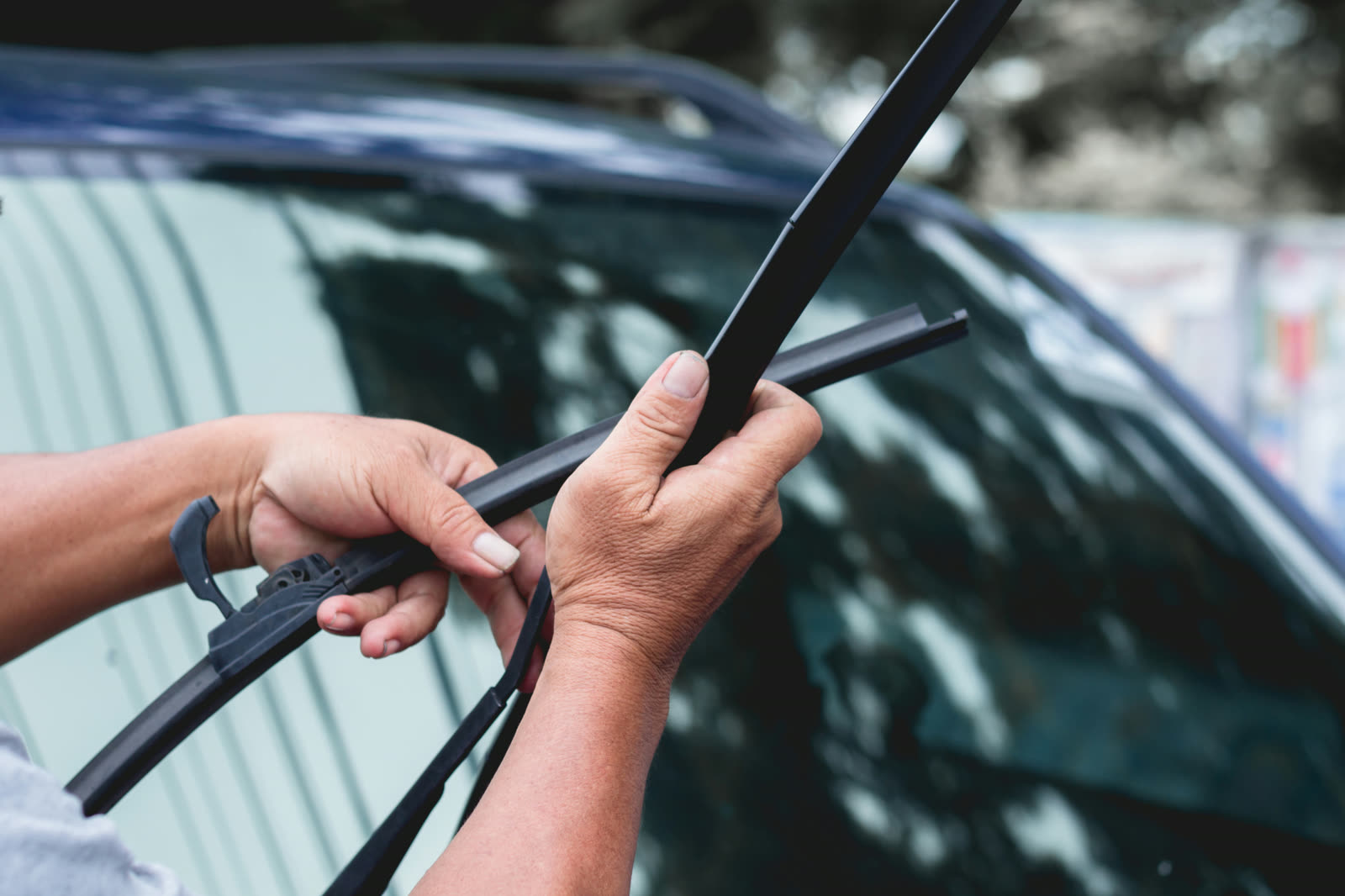
Visibility is essential for winter driving. Replace old windshield wipers with winter wipers designed to resist ice buildup. Ensure all exterior lights are clean, bright, and functional to improve visibility in dark or snowy conditions.
7. Protect Moving Parts from Freezing
Cold weather can cause locks, hinges, and latches to freeze. Apply a silicone-based lubricant to door locks and hinges to keep them working smoothly.
8. Pack an Emergency Kit
Even with proper preparation, winter road conditions can be unpredictable. Keep an emergency kit in your car with essentials like:
- Thermal blankets and extra clothing
- Flashlight and extra batteries
- Ice scraper and snow brush
- Jumper cables and tire chains
- Non-perishable snacks and bottled water
Being prepared can make a big difference in an emergency.
Get Your Car Prepared for Winter Today!
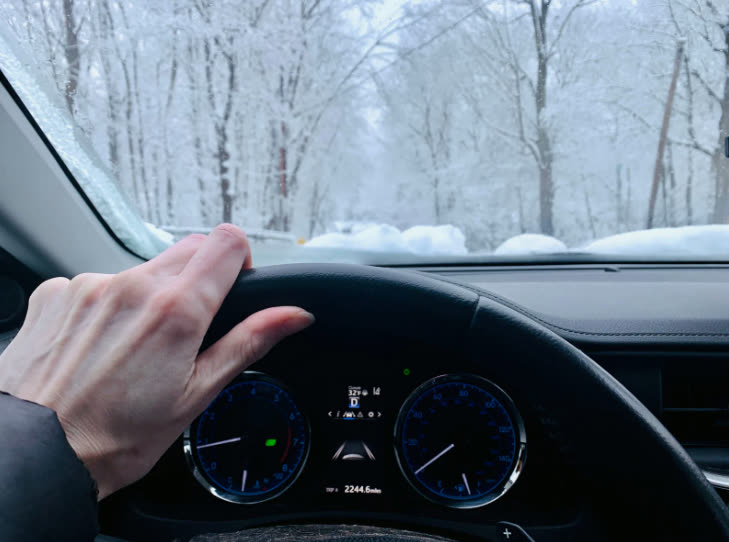
Winter driving can be unpredictable, but taking a few preventative steps now can keep your vehicle running smoothly and safely. Cold weather puts extra strain on your tires, battery, fluids, and essential components, but regular maintenance ensures reliability when you need it most.
Don’t wait for problems to leave you stranded. A professional winter maintenance check can identify potential issues before they cause trouble.
Schedule Your Winter Car Check-up
Blue Ridge Auto specializes in winter car maintenance and inspections to help you stay safe on the road. Contact Blue Ridge Auto today to schedule your winter car check-up.