
Brake Repair in Marietta, From Diagnosis to a Confirmed Fix
A new vibration during a stop can feel unsettling, especially when you cannot tell whether the problem is at one wheel or throughout the system. Not every noise means the same part has failed, and not every brake warning can wait for a convenient appointment. The next step depends on how the vehicle stops and whether the brake system can hold pressure.
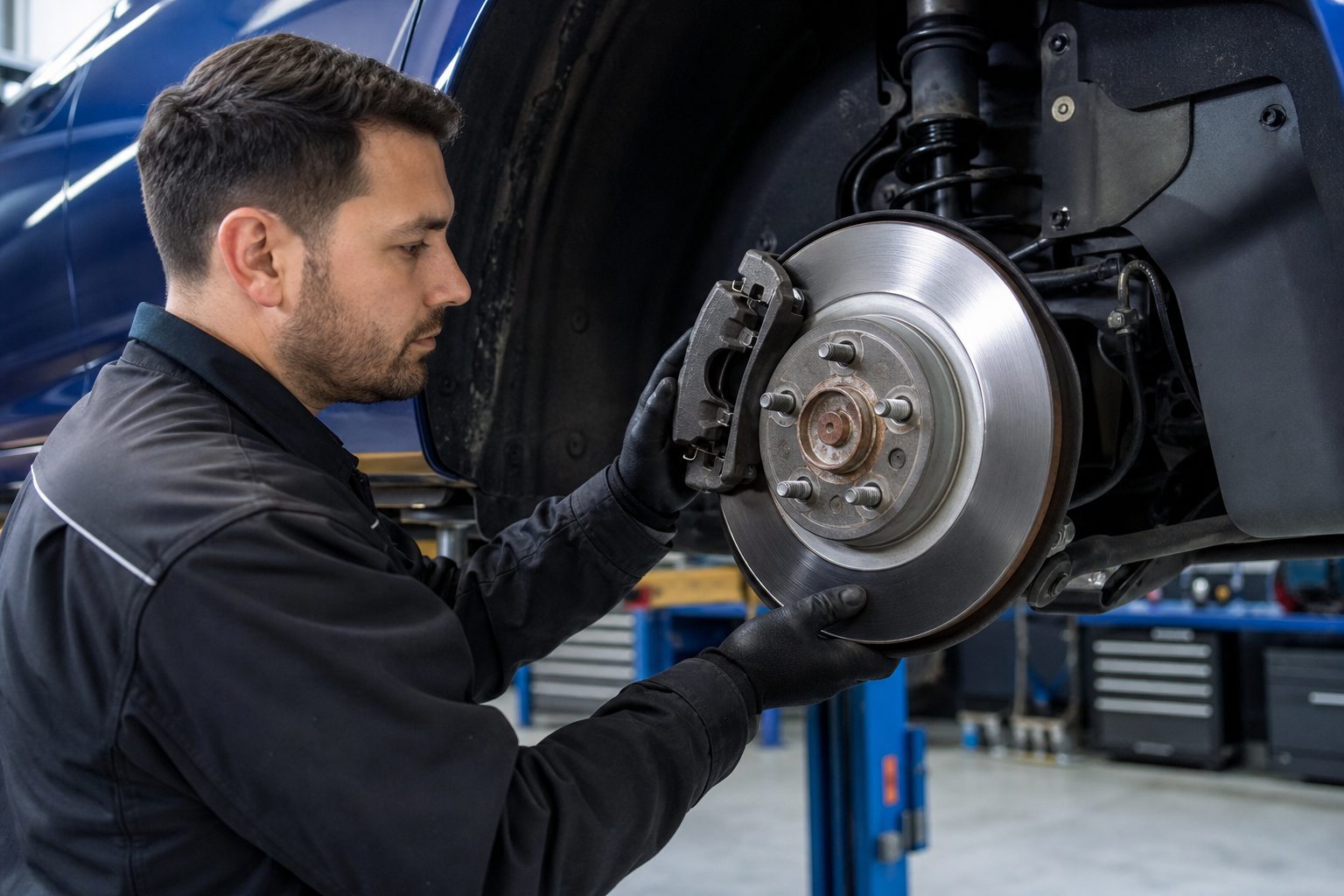
Our brake repair work addresses failed components and the damage they cause, rather than treating every complaint as a request for new pads. We replace worn pads and damaged rotors, repair or replace sticking calipers, and correct leaking lines or hoses. A sinking pedal may require master cylinder diagnosis, while an ABS warning calls for electrical testing. European, Asian, and domestic vehicles all need a repair plan based on the actual fault, not a parts list chosen before the cause is known.
Blue Ridge Automotive has a 4.9-star rating across 1,000+ reviews. Alongside that rating, you can expect an explanation of the diagnosis and a written estimate to review.
Why Does the Cause Matter More Than the Symptom?
The same brake complaint can come from several different failures. Grinding may involve exhausted pads and scored rotors, but dragging hardware can also keep a brake applied after you release the pedal. A soft pedal can point to air entering through a leak, while a pedal that slowly drops under steady pressure may indicate a master cylinder problem. Replacing pads will not solve either hydraulic fault. Our diagnosis follows the symptom through the system so the recommended repair addresses why it happened, including any related damage. That distinction matters when you are deciding what to authorize and what the repair should accomplish.
Repair also means separating a current failure from routine upkeep. This page covers problems such as lost pressure, damaged friction components, brake drag, and electrical faults that affect braking. For scheduled checks and ongoing maintenance, visit our brake services in Marietta page instead. If you already have grinding, pulling, or a warning message, tell us about that specific change. Those details help guide testing, but we still need to examine the vehicle before confirming the cause or final price.
Depending on the diagnosed fault, repairs may include:
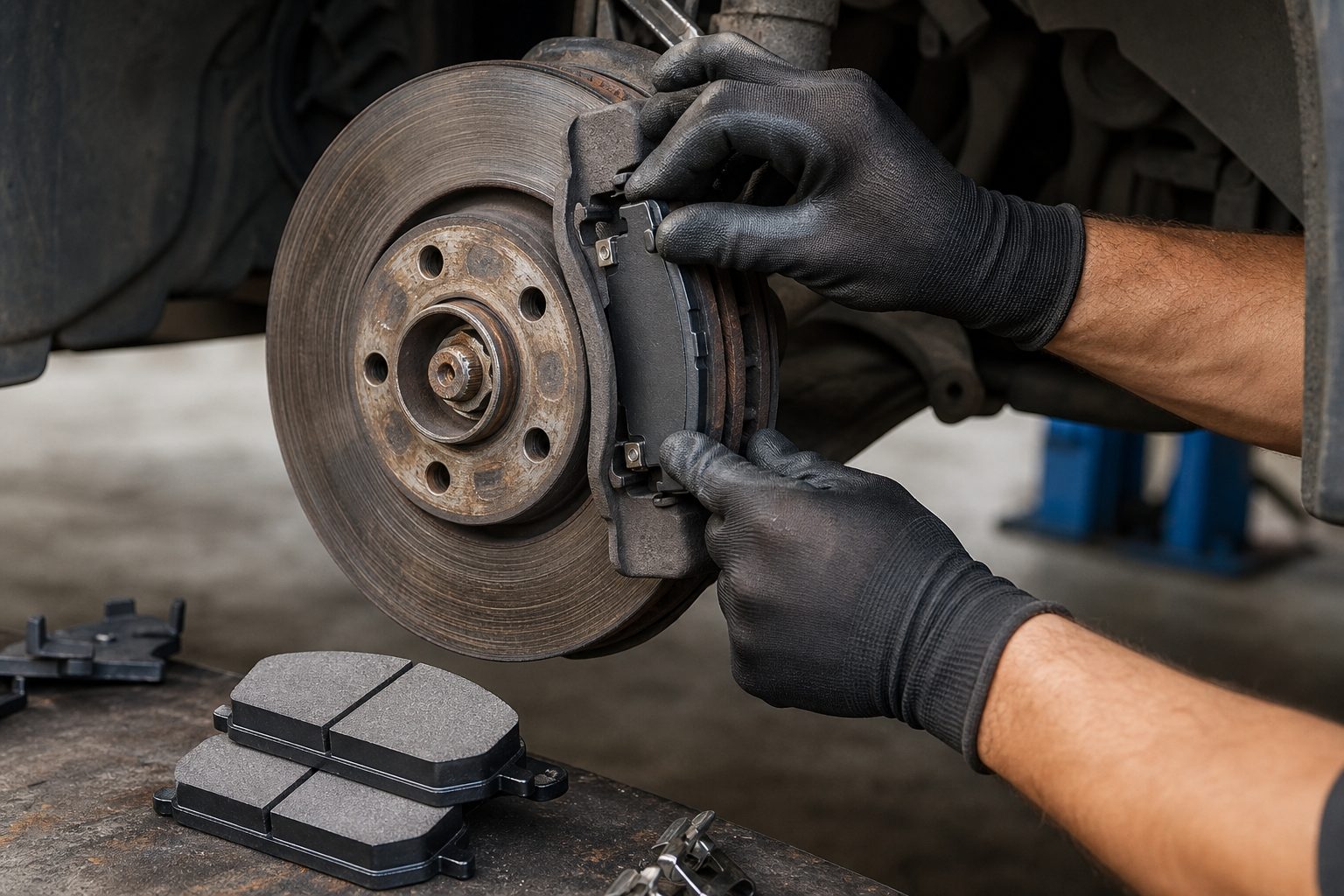
- Worn friction parts: Replace depleted pads and damaged rotors when measurements and the complaint support replacement.
- Binding calipers: Repair sticking slide pins or replace a failed caliper with seized pistons or damaged seals.
- Pressure loss: Locate escaping brake fluid, replace the leaking line, hose, or component, and bleed the repaired circuit to remove air before checking pedal firmness.
- Master cylinder failure: Replace the cylinder when testing confirms it cannot maintain hydraulic pressure.
- ABS faults: Diagnose wheel speed sensors, wiring, and module operation before recommending replacement parts.
- Parking brake faults: Diagnose electronic actuation problems and replace failed wear sensors where required.
Have a new brake symptom? Tell us what you feel, hear, or see, and ask about a diagnosis before choosing replacement parts.
Repairs That Address Failed Brake Components
Once the cause is established, the repair should match the failure. Some vehicles need friction parts; others need pressure restored or an electrical fault corrected. These are the brake problems we diagnose and the fixes they can require.
Replacement for Worn or Damaged Pads
A pad worn down to its backing plate cannot provide normal friction and may cut into the rotor. We determine whether pad replacement is sufficient or whether rotor damage and a binding caliper also need correction to resolve the complaint.
Replacement for Damaged Brake Rotors
Deep grooves, cracks, insufficient thickness, or confirmed thickness variation can make rotor replacement necessary. We measure the affected components and identify related causes of vibration or abnormal wear before recommending new rotors.
Hydraulic Leak and Master Cylinder Repairs
A fluid leak can reduce pressure even before a puddle is obvious. We trace the leak, replace failed lines, hoses, or other components, and bleed the system after repair. If pressure bypasses internally, testing may point to master cylinder replacement.
Repairs for Calipers That Bind
When a piston sticks or a slide pin binds, a brake may drag or apply unevenly. We identify whether the caliper needs repair or replacement.
Fixes for Loose or Damaged Hardware
Displaced clips or damaged pad supports can let components move incorrectly and make noise. Repair means replacing the failed hardware and confirming the pads sit and move as intended.
ABS and Parking Brake Faults
An ABS code identifies a circuit or operating problem, not automatically a bad module. We evaluate wheel speed signals, wiring, and module behavior to narrow down the fault. On European models with an electronic parking brake, the repair procedure may require a scan tool to retract the mechanism safely. We also replace failed brake wear sensors when needed and verify the warning status after the underlying problem has been addressed.
From Brake Complaint to an Approved Repair
We begin with what you noticed, then gather evidence before proposing parts. The repair plan follows the findings, with your approval required before work starts.
Step 1: Trace the Symptom to Its Source
Tell us whether the problem happens during light stops, after repeated braking, or while holding the pedal still. We use that history to guide measurements, hydraulic checks, and component testing. Pad and rotor condition, caliper movement, and signs of leakage help distinguish friction damage from pressure loss. When a warning light is involved, diagnostic testing adds fault codes and operating data to the picture. Testing must support the conclusion; a code alone does not justify replacing an ABS module.
Step 2: Review the Findings and Proposed Cost
We connect the findings to your complaint in plain language and explain which repairs address the failure. Final pricing depends on the inspection. You receive a written estimate and approve it before any work begins, rather than authorizing an open-ended repair.
Let's identify the failed component before choosing parts. Request a brake repair appointment and tell us when the symptom started and what has changed.
Step 3: Correct the Confirmed Failure
After approval, we complete the agreed repair, whether that means replacing pads and rotors, correcting a caliper problem, or replacing a leaking hose. Hydraulic repairs include removing trapped air as required. Electronic parking brake work follows the procedure for that vehicle.
Step 4: Confirm the Repair Addresses Your Complaint
We check the repaired system for leaks, proper pedal response, and correct component operation. When the vehicle is safe to test, we evaluate braking for the noise, pull, or pulsation you reported. For electronic faults, we also review warning status and relevant operating data.
Brake Symptoms That Need a Repair Diagnosis
What you feel at the pedal or hear near a wheel helps narrow the possibilities, but it cannot identify the failed part by itself. These five warning patterns deserve attention, especially if stopping performance has changed along with the symptom.
Scraping, Squealing, or Grinding During Stops
Persistent squeal can come from a wear indicator, damaged hardware, or friction surfaces that are not working normally. Grinding raises concern for severe pad wear and rotor damage. We examine the contact surfaces and caliper operation instead of assuming every noise needs the same fix. Loud grinding with reduced stopping ability is not a reason to keep driving.
Excessive Pedal Travel or a Sinking Pedal
A spongy pedal can indicate air in the hydraulic circuit, while continued sinking under steady pressure can point to leakage or internal master cylinder failure. Those possibilities require testing, not a pad swap. If the pedal approaches the floor or stopping power drops, stop driving and arrange professional vehicle transport.
Uneven Braking That Pulls the Vehicle
A restricted hose, seized caliper, or unequal friction at the wheels can produce a pull. We distinguish those failures from tire or steering and suspension concerns before recommending repairs. A strong pull that makes control difficult is unsafe to ignore.
Pulsing or Shuddering as You Slow
Rotor thickness variation or excessive runout can create a repeating pulse as the wheel turns. Loose or worn components can contribute, too. We measure before deciding what to replace, and we check mounting surfaces and related parts so new rotors do not leave the cause unresolved.
Brake, ABS, or Parking Brake Alerts
A red brake warning may indicate low fluid or another hydraulic concern; an ABS alert points to the anti-lock system. A parking brake message can involve its electronic mechanism. The symbol and driving symptoms matter. Do not assume a warning simply needs clearing, especially with a soft pedal.
What Shapes Your Brake Repair Estimate?
Starting Prices by Component
The failed component, vehicle application, and extent of related damage determine the repair price. Starting prices per axle are brake pads from $189 for standard vehicles or $249 for European vehicles. Pads and rotors start at $349 for standard vehicles or $499 for European vehicles, also per axle. These starting amounts do not describe every brake failure: leaking hydraulics, damaged calipers, and ABS faults require their own diagnosis and estimate. Final pricing depends on the inspection, and you approve a written estimate before any work. We explain why the recommended scope fits the findings.
Why a Brake Fault May Need More Than Pads
A low advertised pad price cannot account for every cause of poor braking. If a hose holds pressure at a wheel, replacing the friction material alone leaves the brake dragging. If a master cylinder cannot maintain pressure, new rotors will not restore a firm pedal. Electrical testing also matters before an expensive ABS component is condemned. The estimate should reflect a confirmed fault and any related damage, not an assumption that all brake complaints share one solution.
Payment Options and Coverage for Most Repairs
Unexpected brake failures can be difficult to fit into a budget. Financing options include Synchrony Car Care and Snap Finance, and we can discuss those options when reviewing your estimate. Most repairs carry a 24-month/24,000-mile warranty; ask which items in your repair plan qualify. Neither financing nor warranty coverage replaces a clear explanation of the work. You should understand the diagnosed problem, the proposed correction, and the approved price before deciding how to proceed.
A Shop Rating You Can Review
Reasons to Bring Us Your Brake Problem
Choosing a brake repair shop means trusting someone to explain a safety issue without making it harder to understand. We keep the conversation tied to the failed component, the supporting findings, and the proposed fix. That gives you a practical basis for deciding what to approve instead of relying on a vague recommendation.
An Explanation That Helps You Make a Decision
Ask what failed, how it caused your symptom, and why the proposed repair addresses it. We explain the connection and provide a written estimate for your approval before work begins.
Repair Plans for European, Asian, and Domestic Vehicles
We work on BMW, Mercedes-Benz, Audi, Volkswagen, Porsche, Volvo, Land Rover, and Jaguar vehicles, along with Asian makes. Domestic coverage includes Ford, Chevrolet, GMC, Ram, Jeep, Dodge, Cadillac, and Lincoln. The diagnosis accounts for the brake system fitted to your vehicle, including electronic parking brakes and wear sensors where present. A European warning message and a domestic vehicle's pulling complaint may need very different tests, even when both lead to a brake repair appointment. We identify the fault first, then explain the vehicle-specific work needed to correct it.
4.9-Star Rating Across 1,000+ Reviews
Our 4.9-star rating spans 1,000+ reviews. That is one useful reference while you choose a repair shop, but your repair decision should also rest on a clear diagnosis. Ask us to explain the failed part, the recommended fix, and your written estimate before you approve the work.
Help Beyond the Brake Problem
Brake faults are our focus here. For other concerns, ask about repair options for your European, Asian, or domestic vehicle when scheduling.








Get Help With Your Brake Repair in Marietta
Describe the noise, pedal change, warning light, or pulling you have noticed, and we will discuss the next step. Our shop is at 665 Whitlock Ave SW, Marietta, GA 30064, with hours Monday to Friday, 8 AM to 5 PM. Call (770) 426-4220 or request an appointment online. If braking is unreliable, arrange professional vehicle transport rather than driving to us.
A brake problem deserves a repair plan, not a guess. Reach out with your symptoms and let's discuss the next step.
Answers to Brake Repair Questions
Need help understanding a brake symptom? Request an appointment online and describe what changed. If stopping ability has deteriorated significantly, stop driving and arrange professional vehicle transport rather than coming to the shop by car.