
November 6, 2026
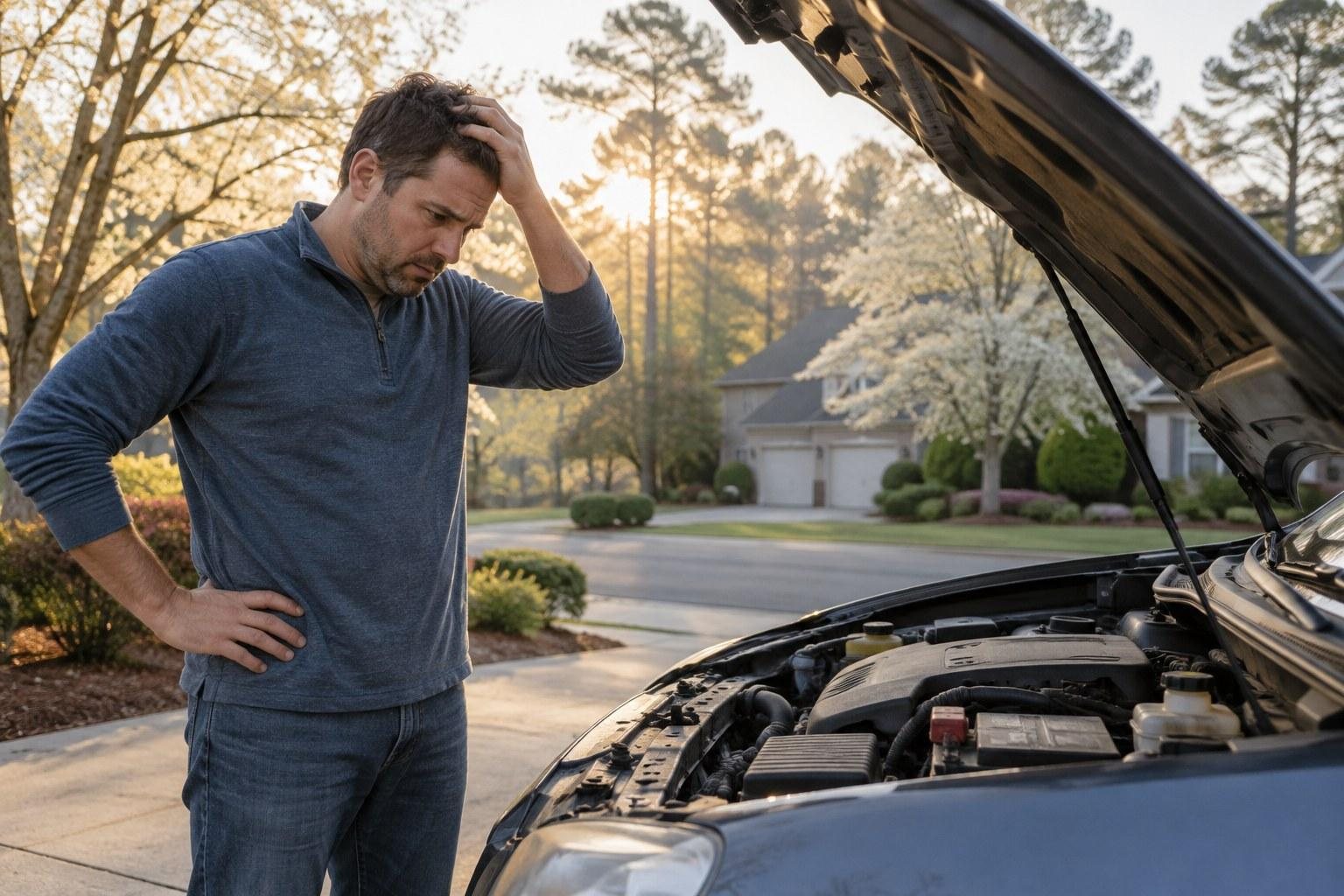
Battery keeps dying for no obvious reason? Let our technicians find the source before you buy another battery.
Key Takeaways
- A small amount of current draw with the key off is normal, because your clock, alarm and module memory all need a trickle of power.
- A drain becomes a problem when something stays awake and pulls more current than the battery can spare over a day or two of parking.
- Slow cranking after the car sits, dead batteries after weekends, and lights or accessories that stay on are the most common warning signs.
- Replacing the battery without finding the drain often just leads to another dead battery.
- Proper testing uses an ammeter, a sleep period for the vehicle's modules, and circuit by circuit isolation, which takes patience and the right procedure.
Modern cars never fully turn off. Even when your keys are in your pocket, dozens of computer modules are standing by, listening for the key fob, keeping alarm sensors armed and holding radio presets and engine learning data in memory.
All of that standby activity uses a little electricity. Your battery is designed to handle it. Trouble starts when one component fails to go to sleep, gets stuck on, or develops a short. For drivers around Chamblee who park for days at a time, whether you commute by MARTA, work from home or leave the car parked while you travel, that extra draw has plenty of time to empty the battery.
What Parasitic Battery Drain Actually Means
Parasitic draw is any electrical current the vehicle uses while it is parked with the ignition off. Some of it is supposed to be there. The word "parasitic" is used because that power comes straight out of the battery with nothing recharging it until you start the engine again.
Normal Draw vs. Problem Draw
Once every module has gone to sleep, most vehicles settle down to a very small draw measured in milliamps. The exact acceptable number depends on the make, model and equipment, and manufacturers publish their own specifications. A luxury vehicle with keyless entry, telematics and a factory alarm may sit higher than a basic commuter car and still be perfectly healthy.
A problem draw is one that sits well above the manufacturer's limit or never drops to sleep levels at all. A glove box light that stays on, a stuck relay or an aftermarket device wired directly to the battery can pull many times the normal amount.
Why Modules Need Time to Sleep
Right after you lock the car, many systems stay fully awake for a while. Depending on the vehicle, it can take a while before every module powers down. That matters for testing, because a reading taken too early looks like a drain when it is actually normal wake up behavior. It also matters in daily life. Opening a door, pressing the fob or even walking past with a keyless entry fob can wake systems back up and restart the clock.
Warning Signs of Parasitic Battery Drain
A drain rarely announces itself with a dashboard message. Instead it shows up as a pattern. Pay attention to when the car struggles, not just whether it struggles.
Slow Cranking After the Car Sits
If the engine turns over normally after a short stop at the grocery store but drags every morning after sitting overnight, the battery is losing charge while parked. That difference between short stops and long stops is one of the clearest clues you can get.
Dead Battery After a Weekend or Trip
A car that starts fine all week and dies after two or three days in the driveway is a classic drain symptom. A healthy battery in good condition can usually sit much longer than a few days without trouble. If yours cannot make it past a long weekend, something is eating the charge.
Lights, Fans or Accessories That Stay On
Walk around your car in the evening after it has been parked a while. Look for a glow from the trunk, glove box, vanity mirrors or under hood light. Listen for a cooling fan, fuel pump or blower motor that keeps running. Check whether the radio or screen stays lit after you lock the doors. Any of these can be the whole story.
Repeated Battery Replacements
If you have replaced the battery within the last year or two and it is dying again, do not assume you got a bad one. Batteries do fail early, but repeated deep drains also damage them. Each time a lead acid battery goes completely flat, it loses some of its ability to hold a charge.
Electrical Glitches and Warning Lights
Low voltage can confuse computer modules. Flickering dash lights, a radio that forgets its settings, power windows that lose their auto up function, or a string of unrelated warning lights after a hard start often trace back to a battery that was drained overnight. A professional diagnostic service can separate drain related codes from genuine faults.
Common Causes We Find in Chamblee Vehicles

The list of possible culprits is long, but a handful show up over and over again in our bays.
| Likely Source | Typical Clue | How We Confirm It |
|---|---|---|
| Trunk, glove box or hood light switch | Faint glow after parking, drain only when a lid is closed | Visual check, then pulling the related fuse during a draw test |
| Stuck relay | Fan, pump or accessory running with the key off | Listening for clicks, feeling for warm relays, isolating the circuit |
| Module that will not sleep | Draw never drops after the normal sleep period | Scan tool network data plus fuse by fuse isolation |
| Aftermarket electronics | Drain began after a stereo, dash cam, alarm or tracker was added | Disconnecting the device and retesting |
| Failing alternator diode | Drain plus dim lights or a whining noise while driving | Charging system test and measuring current through the alternator circuit |
| Corrosion or wiring damage | Intermittent drain, often worse after rain | Inspection of grounds, connectors and harness routing |
Aftermarket Add-Ons
Dash cams with parking mode, remote starters, subwoofer amplifiers and plug in tracking devices are some of the most common sources we see. They are often wired directly to the battery or to a circuit that stays live, and some keep recording or transmitting all night. If your drain started shortly after an install, mention it at drop off. It can save a lot of testing time.
Charging System Faults
A bad diode inside the alternator can let current leak back out of the battery while the car is parked. The same alternator may also undercharge the battery while you drive, which makes the problem look worse than it is. Our guide to alternator failure covers the driving symptoms in more detail.
Moisture and Corrosion
Heavy rain, plus leaves or pollen that clog cowl drains, can let water reach places it should not be. A leaking sunroof drain or windshield seal can drip onto a fuse box or connector and create a path for current. Corroded battery terminals can also make a healthy battery look weak, so we always check them first.
Not sure whether it is the battery, the alternator or a hidden drain? We will test all three and explain what we find.
How Everyday Driving Habits Make Drains Worse
A drain that would be a minor nuisance in one driver's routine can strand another driver every week. Local habits play a big role.
Short Trips Around Town
Many Chamblee errands are short. A quick lunch run or a school drop off may not give the alternator enough time to replace the charge used on startup, never mind the charge a drain took overnight. Stop and go traffic adds to the strain, with the engine idling and the AC, fans and lights all running. We explain more about that in our post on how stop and go traffic affects your car.
Temperature swings add to the problem. Heat speeds up the internal wear that shortens battery life, and cold lowers how much power a battery can deliver while the engine needs more to crank, so a borderline drain often shows up as a no-start during a hot stretch or a cold morning. Our post on how long car batteries last explains how heat and age wear a battery down.
How We Test for Parasitic Battery Drain
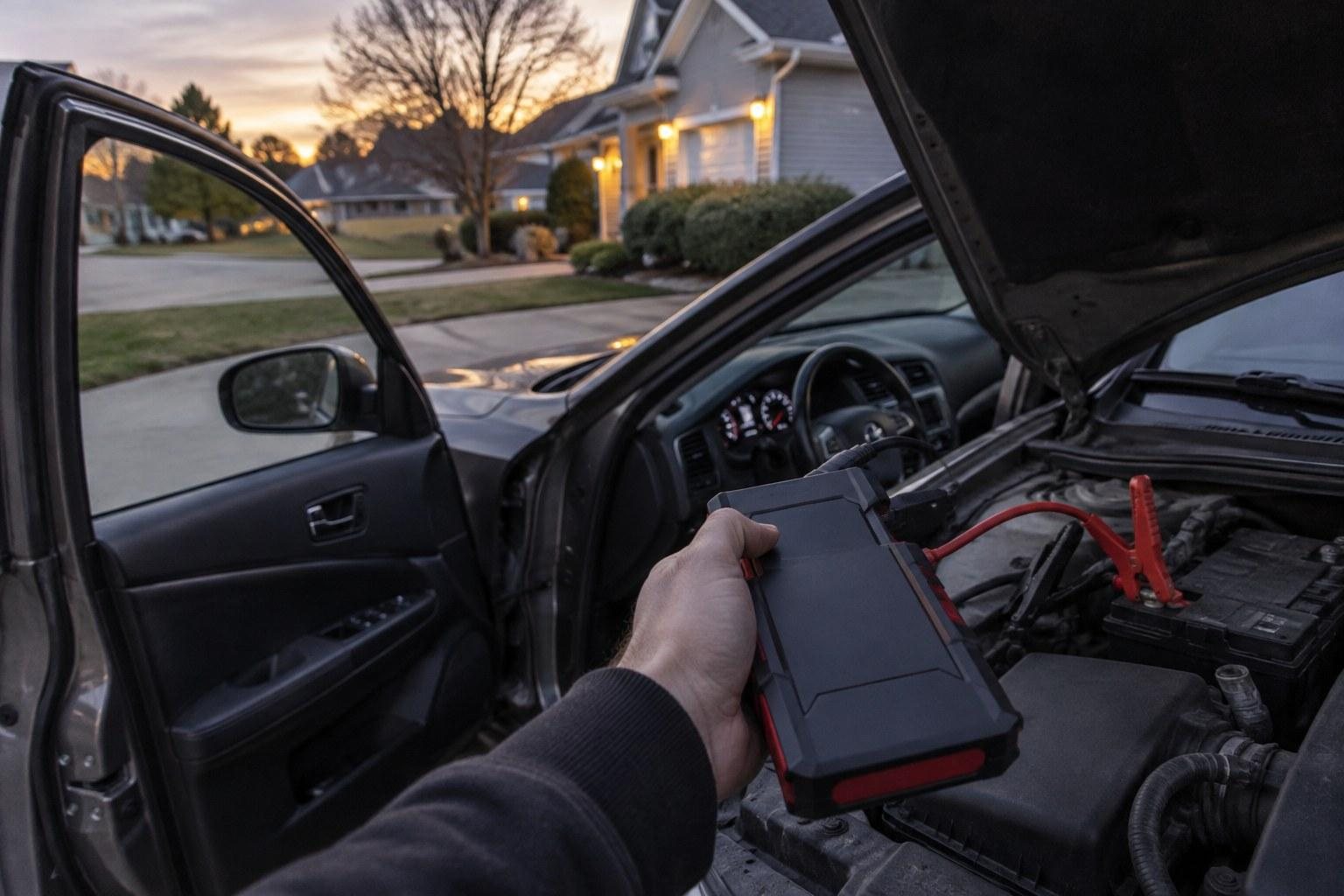
Finding a drain is less about guessing and more about following a careful process. Here is what that looks like in our shop.
Step One, Confirm the Battery and Charging System
Before chasing a drain, we load test the battery and check the alternator's output. A battery with a failed cell will go flat no matter what, and an alternator that undercharges can mimic a drain. There is no reason to spend time searching for a draw if the real problem is a worn out battery.
Step Two, Measure the Draw After Sleep
Our technicians connect an ammeter in series with the battery or use an inductive clamp, then let the vehicle sit until its modules go to sleep. Doors stay latched so the car thinks it is closed up for the night. We compare the final reading with the manufacturer's specification for that specific vehicle.
Step Three, Isolate the Circuit
If the draw is too high, we narrow it down circuit by circuit. Depending on the vehicle, that may mean pulling fuses one at a time, measuring voltage drop across fuses so we do not wake anything up, or using a scan tool to see which module is still talking on the network. Once the circuit is found, we trace it to the exact part, connector or wire.
Step Four, Repair and Retest
After the repair, we measure the draw again to confirm it has dropped to normal levels. If the battery has been deeply drained several times, we will tell you whether it still has useful life or should be replaced. Cost depends on your vehicle and what the test finds, and we go over the cost with you before any work begins.
What You Can Safely Check at Home
You do not need tools to gather useful clues, and anything you notice helps us find the problem faster.
Simple Checks Before Your Appointment
- Make sure every door, the trunk and the hood fully latch, and look for interior lights that stay on.
- Unplug phone chargers, dash cams and other accessories from power outlets that stay live with the key off.
- Look at the battery terminals for white, green or blue crusty buildup.
- Write down when the car fails to start, how long it sat and what the weather was like.
- Note any recent work, especially new electronics, a new battery or body repairs.
Jump Starting and Battery Safety
If you need a jump start, follow the procedure in your owner's manual and use the exact connection points it shows. Many newer cars have remote jump posts under the hood instead of direct battery access. Batteries can give off hydrogen gas, so keep sparks and flames away, wear eye protection if you have it, and never try to jump a battery that is cracked, leaking or frozen. If you ever smell burning plastic, see smoke or notice a hot battery case, get everyone away from the vehicle and call 911.
Why Chamblee Drivers Trust Blue Ridge Automotive - European & Domestic for Electrical Repairs
Our technicians take the time to test properly instead of selling you a battery and hoping for the best.
Experience Across Makes
We work on European, Asian and domestic vehicles, so we know how different manufacturers manage sleep modes and battery monitoring. Whether you drive a BMW, a Mercedes, a Toyota or a Ford truck, we follow the procedure that fits your vehicle. Drivers who want a dealership level of care without the dealership experience often read about the benefits of an independent shop before choosing us.
Straight Answers and Clear Pricing
We hold a 4.9-star rating on Google, and our customers tell us the reason is simple. We explain what we found in plain English, we show you the evidence, and we go over the cost with you before any work begins. If your battery is the only problem, we will say so.
Tired of wondering whether your car will start tomorrow? Let us find the drain and fix it right.
Frequently Asked Questions
How do I know if my car has a parasitic drain or just a bad battery?
A bad battery often fails a load test even when fully charged, and it struggles after short stops as well as long ones. A drain tends to show up after the car sits for a day or more while a healthy battery still tests well. The only reliable way to know is to test the battery, the charging system and the parked draw together.
How long should a healthy car sit without the battery dying?
A healthy car with a good battery and normal draw can usually sit well beyond a long weekend and still start. Vehicles with lots of electronics may have less margin, and heat or age reduces it further. If your car cannot sit through a long weekend, have it checked, because that is a strong sign that something is drawing too much power.
Can a dash cam or phone charger drain my battery?
Yes. Dash cams with parking mode, plug in chargers in outlets that stay powered, and hardwired trackers are common culprits. Some only draw a little, but over several days that adds up. Unplug accessories when parking for a while, and if a device is hardwired, have the wiring checked to make sure it shuts off with the ignition.
Will disconnecting the battery fix the problem?
Disconnecting the negative cable can protect the battery while you wait for repairs, but it does not fix the cause. It may also reset radio codes, clock settings and engine learning data, and some vehicles need specific steps afterward. Check your owner's manual first, and treat disconnection as a short term workaround only.
Is it safe to keep jump starting a car with a drain?
It gets you moving, but repeated jump starts and deep discharges shorten battery life, and low voltage can trigger electrical glitches. There is also the risk of getting stranded somewhere less convenient than your driveway. Use the correct procedure, keep sparks away from the battery, and schedule testing as soon as you can.
How long does a parasitic drain test take?
It depends on the vehicle. Modules need time to fall asleep before we can get an accurate reading, and finding the exact circuit can take longer on cars with complex electronics or intermittent faults. We will give you an honest time estimate and go over the cost with you before any work begins.
Stopping Parasitic Battery Drain Before It Leaves You Stranded
Parasitic battery drain is one of the most frustrating problems a driver can deal with, because the car seems fine until the moment it will not start. Watching for the pattern of slow starts after parking, dead batteries after weekends and lights that stay on helps you catch it early. Getting a parasitic battery drain test before you replace another battery is the smartest way to stop the cycle and keep your car reliable.
Ready to Get Started with Blue Ridge Automotive - European & Domestic?
Our team is ready to test your battery, charging system and parked electrical draw so you know exactly what is going on and what it will take to fix it.
Visit Blue Ridge Automotive - European & Domestic at 3733 N Peachtree Rd, Chamblee, GA 30341, or call (770) 216-8474 today to schedule your visit.
Need a hand with this repair?
Our ASE-certified technicians serve Buckhead, Chamblee, Decatur, and Marietta — backed by a 24,000-mile, 24-month nationwide warranty on parts and labor.