

What to Check Before Buying a Used Car in Atlanta to Avoid Costly Surprises

Sharing this:
Buying a used car can save you thousands compared to new, but it can also drain your wallet fast if you miss the warning signs. Every year, Atlanta drivers end up with vehicles that seemed like solid deals on the test lot, only to discover transmission issues, flood damage, or failing suspension components within the first few months. Knowing what to check before buying a used car in Atlanta is the difference between a smart purchase and an expensive regret.
This guide walks through every area you should evaluate before signing paperwork, from the title and history report down to the noises you hear on the test drive. Use it as your walk-around checklist, and you'll catch problems that most buyers never notice until it's too late.
Why Buying a Used Car in Atlanta Requires Extra Caution
Metro Atlanta puts unique stress on vehicles. The hot, humid summers take a toll on cooling systems, air conditioning components, and batteries. Stop-and-go traffic on I-285 and the connector wears down brakes, transmissions, and suspension parts faster than highway-only driving. Add in the region's history of heavy rainstorms and occasional flooding, and you have conditions that can quietly degrade a vehicle long before the damage shows up visually.
Georgia's emissions testing requirements add another layer. DeKalb, Fulton, Cobb, and several other metro counties require annual emissions inspections for most gasoline-powered vehicles between three and 25 model years old. A car that runs fine on a short test drive might still fail emissions, which means repair bills before you can even register it. Checking for these issues upfront prevents surprises at the tag office.
Start with the Vehicle History Report and Title Check
Before you look at the car itself, look at its paperwork. Run a Carfax or AutoCheck report using the VIN. You're watching for accident history, title brands, odometer inconsistencies, and gaps in service records. A vehicle showing 40,000 miles at one inspection and 45,000 at the next ten months later has a plausible story. A car showing 60,000 miles one year and 48,000 the next almost certainly has a rolled-back odometer.
Pay close attention to title status. A salvage title means the car was declared a total loss by an insurer. A rebuilt title means it was totaled and then repaired. A flood title is a hard stop for most buyers, and Georgia sees enough flood-damaged cars shipped in from other states that this deserves real attention. Even if the title looks clean, verify it against the VIN stamped on the dashboard, door jamb, and engine bay. Mismatches are a red flag that warrants walking away.
Also confirm the seller actually holds the title. Buying a car with a lien still attached creates a legal mess that can take months to untangle.
Exterior and Body Inspection: What to Look For
Walk around the car slowly in good daylight. Panel gaps should be uniform, doors should close with the same effort and sound, and paint should match from panel to panel. Slight color variations between a fender and a door usually indicate collision repair. That isn't automatically disqualifying, but it tells you the car has been hit, and the quality of the repair matters.
Check the underside of the vehicle if you can. Look for rust on the frame, suspension components, and exhaust system. Surface rust is common on any used car in the Southeast. Flaking, bubbling rust that's eaten through metal is a different problem entirely. Inspect the wheel wells and rocker panels closely, since these areas rust from the inside out.
Look for signs of flood exposure. Water lines inside the trunk, rust on seat springs, a damp or musty smell, corrosion on electrical connectors, and silt in hard-to-reach areas are all telltale indicators. Flood cars often look fine on the surface but develop electrical gremlins for years afterward.
Interior and Electronics: Beyond Cosmetic Wear
Sit in the driver's seat and turn the key to the accessory position before starting the engine. Every warning light on the dash should illuminate briefly. If a light stays on after start-up, that's an active fault code. If a light never comes on at all, someone may have disabled it to hide a problem. Either situation deserves investigation with a scan tool.
Test every electrical system. Power windows, locks, mirrors, seat adjustments, sunroof, heated seats, infotainment, backup camera, USB ports, and climate controls. Run the air conditioning on max for several minutes and note the temperature at the vents. Weak cooling in an Atlanta-area car often points to a leaking system or a failing compressor, both of which run into hundreds or thousands of dollars.
Check the headliner, carpet, and under the floor mats for water stains or mold. Pull back the carpet in the trunk to inspect the spare tire well. These are common hiding spots for flood evidence that sellers either missed or hoped you would.
Under the Hood: Engine, Fluids, and Leaks
Pop the hood before starting the engine. The engine should be cool if the seller hasn't preemptively warmed it up, which is something to note. A warm engine at the start of your inspection can mask hard-starting issues. Look at the overall condition of the engine bay. Excessive grease, fresh degreaser residue, or obvious cleaning suggests someone is hiding leaks.
Pull the oil dipstick. Clean amber or brown oil is fine. Black, gritty oil suggests neglected maintenance. Milky or foamy oil indicates coolant contamination, which often points to a head gasket problem. Check the coolant reservoir next. The fluid should be clear green, orange, or pink depending on the vehicle, not brown or rusty. Oily residue floating on the coolant is another head gasket warning.
Inspect belts and hoses for cracking, glazing, or swelling. Look at the battery terminals for heavy corrosion. Scan the engine bay, firewall, and ground underneath for fresh oil spots or coolant trails. If the car has modern driver-assist features, any sign of windshield replacement or front-end repair should prompt questions about whether the ADAS calibration was performed correctly afterward. An uncalibrated system can fail to warn you about obstacles the car was designed to detect.
Tires, Brakes, and Suspension: Often Overlooked, Often Expensive
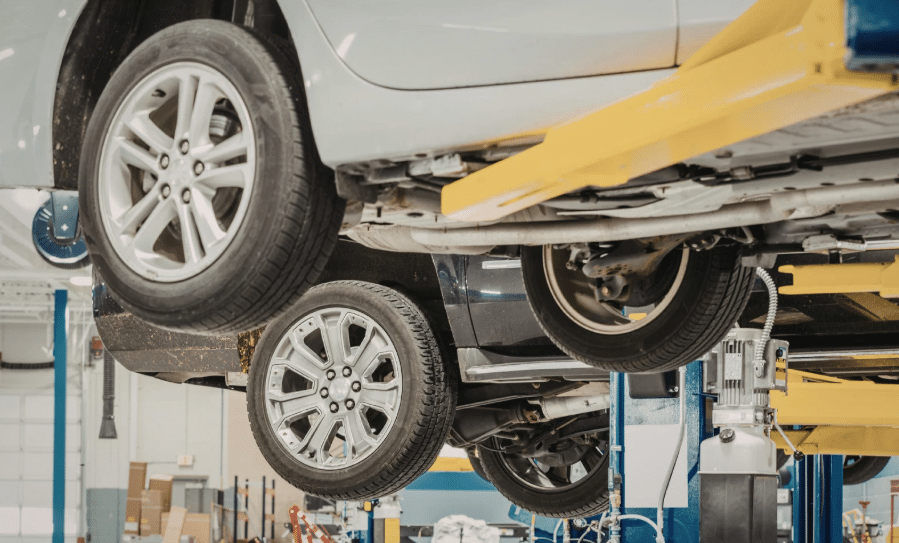
Tire condition tells you about alignment, suspension, and how the car was driven. All four tires should be the same brand and roughly the same tread depth. Mismatched tires suggest budget replacement rather than proper maintenance. Uneven wear across a single tire points to alignment or suspension problems. Cupping or feathering means worn shocks or struts.
Measure tread with a quarter. Insert it upside down into the tread groove. If you can see the top of Washington's head, the tire is at 4/32 inch or less and needs replacement soon. Factor that into your offer.
Brake inspection is harder without pulling a wheel, but you can still check a lot. Look through the spokes at the rotors. Deep grooves, a prominent lip at the outer edge, or heavy rust pitting indicates the rotors are due for replacement or resurfacing. Listen during the test drive for squealing or grinding. Quality brake services on a typical sedan run several hundred dollars per axle, so this is real money.
Push down hard on each corner of the car and release. A well-functioning suspension returns to position and stops. If the car keeps bouncing, the shocks or struts are worn. Grab the top of each front tire and push and pull. Any clunking indicates failing ball joints or tie rod ends, both common triggers for steering and suspension repair work.
The Test Drive: What to Pay Attention To
Insist on a cold start. Turn the key and listen. The engine should fire quickly and settle into a smooth idle within 15 to 30 seconds. Rough idle, hesitation, or a check engine light that appears on start-up all warrant closer inspection. If the seller has already warmed up the car, ask to return later when the engine is cold.
Drive for at least 20 minutes on varied roads. Accelerate briskly from a stop and note whether the transmission shifts smoothly. Slipping, harsh shifts, or delayed engagement are early signs of failing transmissions, and a full transmission repair or replacement is one of the most expensive repairs on a car. Try a highway on-ramp to test acceleration under load.
Brake firmly from 40 mph on a clear stretch of road. The car should stop straight without pulling, pulsing, or making noise. Drive with your hands loose on the steering wheel to check alignment. The car should track straight without constant correction.
Listen at different speeds. Humming that changes with speed but not with turning usually indicates a wheel bearing. Clunks over bumps point to suspension. A rhythmic thumping from a specific tire can mean internal tire damage. Note every sound you hear and where it comes from.
Why a Professional Pre-Purchase Inspection Is the Smartest $150 You'll Spend
Even a thorough personal walk-through misses things a technician with a lift and a scan tool will catch. A proper pre-purchase inspection typically runs $100 to $200 in the Atlanta area and takes about an hour. The mechanic puts the car on a lift, inspects the frame and undercarriage, pulls stored fault codes from every module, checks fluid condition, measures brake pad thickness, and evaluates dozens of wear items you can't see from the driver's seat.
A scan tool connected to the OBD-II port reveals pending codes that haven't yet triggered the check engine light, along with freeze-frame data showing conditions when past faults occurred. If you've wondered what diagnostic trouble codes mean and how technicians use them to spot issues, this is where they pay off. A $175 diagnostic service that reveals a $3,000 transmission problem is the best money you'll spend all month.
Beyond catching problems, a written inspection report gives you real leverage. If the technician finds $1,200 in deferred maintenance, you have documented grounds to negotiate that amount off the price or walk away entirely. Sellers who refuse to allow a pre-purchase inspection are telling you something important. Believe them.
Common Costly Surprises Atlanta Buyers Miss
A few specific issues blindside used car buyers in the metro area year after year. Timing belt or timing chain service intervals often come due between 80,000 and 100,000 miles on many vehicles. If the seller can't document that the work has been done, budget $800 to $1,500 to do it yourself before it fails.
Transmission solenoid problems in high-mileage automatics can present as minor shift quirks during a short test drive and escalate into a total rebuild within a year. Head gasket failures in certain engine families show no symptoms until they suddenly do. Catalytic converter theft has become common enough in Atlanta that a used car with a recently replaced converter deserves questions about why.
Failing ABS modules, electronic parking brakes that won't release, and infotainment systems that cycle on their own are all expensive modern-car problems that a cursory inspection misses. Cars with advanced driver-assistance features need proper calibration after any windshield, bumper, or suspension work, and uncalibrated systems can cost hundreds to recalibrate if the previous owner or body shop skipped the step.
The pattern is consistent. The more you know to check, and the more a qualified technician can verify for you, the fewer expensive surprises land in your lap after the sale closes.
Frequently Asked Questions
How much should I expect to pay for a pre-purchase inspection in Atlanta?
A thorough pre-purchase inspection in the Metro Atlanta area typically costs between $100 and $200 depending on the shop and the depth of the inspection. For a car you're planning to spend thousands on, this is one of the most cost-effective investments you can make.
What should I do if a seller refuses to allow an independent inspection?
Walk away. Honest sellers have no reason to hide their car from a qualified technician. A refusal almost always means the seller knows about problems they don't want you to discover. The car isn't worth the risk, no matter how attractive the price.
Is buying from a private seller riskier than buying from a dealer in Georgia?
Private sales generally come with no warranty and no legal recourse if the car has undisclosed problems. Dealers must follow certain consumer protection rules and often offer limited warranties. Both paths can work well, but private sales require more diligence on your part.
How old of a used car is too old to consider?
Age matters less than maintenance history and mileage. A well-maintained 12-year-old vehicle with complete service records can outlast a neglected five-year-old car. Focus on documented maintenance, rust, and current condition rather than the model year alone.
Does Georgia require emissions testing on used cars before I can register them?
Yes, in 13 metro Atlanta counties including Fulton, DeKalb, Cobb, Gwinnett, and Clayton. Gasoline-powered vehicles between three and 25 model years old generally require annual emissions testing. Confirm the car has passed recently or budget for repairs if it hasn't.
What about cars with advanced driver-assistance systems?
Vehicles with lane-keeping, adaptive cruise control, automatic emergency braking, or similar features need proper calibration after any repair that affects the sensors. Ask whether calibration was performed following any windshield or front-end work, and have a qualified shop verify if there's any doubt.
About Blue Ridge Automotive
Blue Ridge Automotive has been serving Atlanta drivers for years from our Buckhead location, with additional convenient shops in Chamblee, Decatur, and Marietta. Our ASE-certified technicians perform thorough pre-purchase inspections with digital reports that include photos of what we find, so you can make informed decisions about any vehicle before you buy. We service Asian, domestic, and European makes with the same level of care, and every service is backed by a 24,000-mile, 24-month warranty on parts and labor through TechNet.
Ready to Inspect a Car Before You Buy It?
Don't let a hidden problem turn a good deal into an expensive mistake. Our technicians can put your prospective purchase on the lift, run a complete diagnostic scan, and send you a detailed report before you commit to the sale.
Call (404) 266 1699 or schedule a service online to book your pre-purchase inspection at the Blue Ridge Automotive Buckhead location.